

It pays to talk

Curated by Brian Kim, CPA — every pick gets a plain-English summary and the key takeaways.
Brian Kim, CPA · 2.89M YouTube Subscribers →What this book actually teaches
- 01Most family financial crises are communication failures, not knowledge failures — people know they need a will but haven't told anyone where it is.
- 02Estate planning conversations need to happen while everyone is healthy; waiting until a crisis eliminates the options and forces bad decisions.
- 03Spouses and partners often operate from incompatible assumptions about spending, saving, and risk — surfacing those differences early is less painful than discovering them in a downturn.
- 04Beneficiary designations on retirement accounts and life insurance override what a will says — reviewing them regularly is more important than most people realize.
- 05The financial substance in the book (limits, thresholds, products) has aged; the communication frameworks have not.
What's in this book
Most families are better at arguing about money than talking about it honestly. Carrie Schwab-Pomerantz — a personal finance educator and Charles Schwab's daughter — built this 2002 book around a single thesis: the conversations families avoid about money cause more long-term financial damage than the financial decisions themselves. Silence around estate plans, aging parents' finances, insurance gaps, and retirement expectations creates predictable crises that a few structured conversations could prevent.
The book's core contribution is giving readers both the permission and the framework to have those conversations. Schwab-Pomerantz organizes the material around the relationships where financial silence is most costly: spouses and partners disagreeing about spending and saving; adult children who don't know their parents' estate plans; parents who haven't talked to their kids about money values; siblings who discover after a parent dies that no plan existed. Each relationship gets its own section with concrete guidance on what to discuss and how to open the conversation.
The financial substance covers wills and trusts, beneficiary designations, power of attorney, long-term care insurance, Social Security timing, retirement account mechanics, and investment basics. None of it is deeply technical — this is not a tax planning manual — but the coverage is accurate and the emphasis on getting basics documented and communicated is genuinely useful. The insight the book keeps returning to is that many financial planning failures are not knowledge failures; they are communication failures. People know they need a will. They just haven't done it or told anyone where it is.
The book is aimed at people in their 30s and 40s who are starting to realize they need to have these conversations with both their parents and their partners. It reads accessibly and the advice is practical without being condescending.
The weaknesses are worth flagging. The book was written in 2002 and some specifics — contribution limits, estate tax thresholds, certain product recommendations — have changed. The financial planning landscape has also shifted considerably; fee-only advisors are easier to find, target-date funds are the default in most 401(k)s, and online estate planning tools have lowered the barrier to getting documents in place. Readers should treat the communication frameworks as durable and verify the financial specifics with current sources. The book also reflects an upper-middle-class default that may not map cleanly to families with more constrained financial situations.
For someone who has been avoiding conversations about money with their spouse, parents, or adult children, this book makes a strong case for starting — and gives them a roadmap for doing it.
Read next

For anyone whose financial education was "get a good job and save" — the book is most valuable for first-time readers…
Buy on Amazon →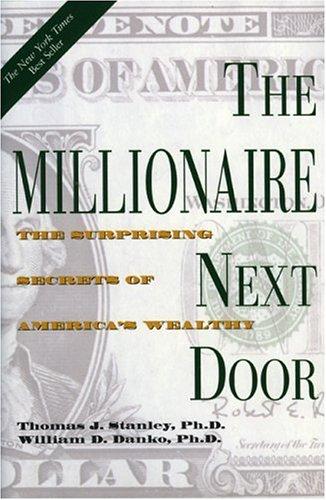
For anyone who confuses high income with wealth, or who feels behind because their lifestyle doesn't look like the we…
Buy on Amazon →
Anyone who earns enough to make discretionary spending choices but suspects their spending is not generating proporti…
Buy on Amazon →
Households in active consumer-debt distress who need a non-negotiable shared script. Not for investors already past B…
Buy on Amazon →About Carrie Schwab Pomerantz
Read more from Carrie Schwab Pomerantz and explore the full bibliography on ClearValue Books.
View Carrie Schwab Pomerantz's page →Get an email if our take on It pays to talk changes.
We re-review our picks. We'll email you if It pays to talk's ranking or review changes — no checking back.
