

Its Your Money Honey

Curated by Brian Kim, CPA — every pick gets a plain-English summary and the key takeaways.
Brian Kim, CPA · 2.89M YouTube Subscribers →What this book actually teaches
- 01Women face a structurally different retirement math than men — longer life expectancy, more career gaps, and lower lifetime Social Security benefits — which makes earlier and more deliberate financial planning more consequential, not less.
- 02Trading the matrimonial home for retirement assets in a divorce settlement is a common mistake with long-term consequences: the home is illiquid and expensive to maintain, while retirement assets compound and produce income.
- 03The widowhood chapter argues that financial shock after a spouse's death is largely preventable — the practical steps (locating accounts, understanding beneficiary designations, knowing household cash flow) should happen well before a health crisis makes them urgent.
- 04The Social Security timing decision carries particular weight for widows: the survivor benefit rules mean that a spouse's claiming strategy affects the surviving partner's lifetime income, not just the claimant's.
- 05Some content reflects Canadian regulatory context and 2012 figures; the strategic framework is durable but specific numbers (contribution limits, thresholds) should be verified against current rules before acting.
What's in this book
It's Your Money Honey (2012) by Laura J. McDonald and Susan Misner is a personal finance guide written specifically for women, with a particular emphasis on the financial vulnerabilities that arise from life transitions — divorce, widowhood, career interruption for caregiving, and re-entry into the workforce after years out. The book's argument is that women face a structurally different financial risk profile than men: longer life expectancy (meaning more years of retirement to fund), more frequent career gaps (meaning lower lifetime earnings and Social Security benefits), and a historical pattern of delegating financial decisions to spouses or partners (meaning less accumulated financial literacy and confidence at the moments it matters most). The goal is to fix the confidence and knowledge gap before a crisis forces the issue.
McDonald and Misner organize the book around practical financial literacy — budgeting, debt management, insurance, investing basics, and retirement planning — but consistently anchor each topic to the specific situations women are more likely to encounter. The divorce chapter is one of the book's most substantive: it covers the distinction between marital and separate property, the long-term implications of trading the matrimonial home for retirement assets (a common mistake that leaves one party asset-rich and income-poor in retirement), the importance of understanding both spouses' financial picture before signing any settlement, and the practical steps for re-establishing individual credit after years of joint accounts.
The widowhood and estate planning chapters address similar themes: the financial shock of losing a spouse who managed the household finances, the immediate practical steps (locating accounts, understanding beneficiary designations, avoiding hasty decisions in the first year), and the longer-term planning that should happen well before a spouse becomes ill. The authors are direct that many women discover for the first time what their household is actually worth — and what it costs to run — only after a death or divorce, and that this discovery under duress is avoidable with some advance attention.
The investing chapters cover basic concepts — asset allocation, the relationship between risk and return, the case for diversification — with less technical depth than a dedicated investment guide but more practical framing than most introductory personal finance books. The retirement planning section addresses the Social Security timing decision (the trade-off between claiming early at 62 versus deferring to 70), the survivor benefit implications of that choice, and the basics of RMD rules for inherited retirement accounts.
Weaknesses
the book was published in 2012, and some of the specific numbers — contribution limits, Medicare thresholds, Social Security claiming rules — have changed. The overall framework remains sound, but readers should verify current figures before acting. The Canadian co-author (Misner) means some content has a Canadian regulatory context that doesn't apply to U.S. readers, though the chapters affected are clearly identified. The book is also more motivational and orientation-focused than analytically rigorous — readers who want depth on any specific topic will need a more specialized source.
Verdict
a practical and empathetic guide for women who feel underprepared for financial independence, particularly those approaching or navigating a major life transition. The life-transition framing makes the standard personal finance curriculum feel more relevant and urgent than most introductory books achieve.
Read next

For anyone whose financial education was "get a good job and save" — the book is most valuable for first-time readers…
Buy on Amazon →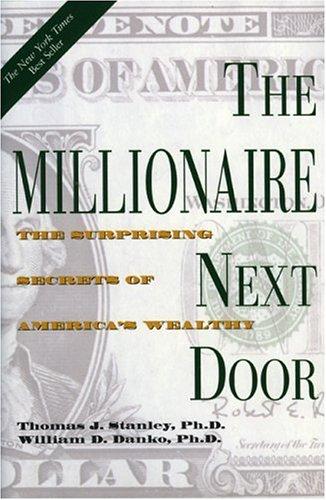
For anyone who confuses high income with wealth, or who feels behind because their lifestyle doesn't look like the we…
Buy on Amazon →
Anyone who earns enough to make discretionary spending choices but suspects their spending is not generating proporti…
Buy on Amazon →
Households in active consumer-debt distress who need a non-negotiable shared script. Not for investors already past B…
Buy on Amazon →About Laura J Mcdonald
Read more from Laura J Mcdonald and explore the full bibliography on ClearValue Books.
View Laura J Mcdonald's page →Get an email if our take on Its Your Money Honey changes.
We re-review our picks. We'll email you if Its Your Money Honey's ranking or review changes — no checking back.

Ready to read Its Your Money Honey?
Buy the edition we recommend on Amazon.
Buy on Amazon →