

Living well in a down economy for dummies

Curated by Brian Kim, CPA — every pick gets a plain-English summary and the key takeaways.
Brian Kim, CPA · 2.89M YouTube Subscribers →What this book actually teaches
- 01Economic downturns require specific, learnable behavioral adjustments across housing, food, healthcare, and transportation — not just general belt-tightening.
- 02Healthcare cost negotiation — COBRA alternatives, generic substitution, hospital bill negotiation — is one of the book's most actionable and often-overlooked sections.
- 03The book addresses the psychological and relational strain of financial stress alongside the practical tactics, which sets it apart from standard budgeting guides.
- 04Many specific program names, rates, and product references are dated from 2009 and should be verified against current sources before acting on them.
- 05Best used as a triage manual for sudden income disruption rather than a long-term financial planning resource.
What's in this book
Tracy Barr's book arrived in 2009 at exactly the moment millions of Americans needed it: the housing market had collapsed, unemployment was rising sharply, and households that had never needed to budget carefully suddenly did. The core argument is practical rather than philosophical — economic downturns require specific behavioral adjustments across spending, housing, food, healthcare, and transportation, and those adjustments are learnable skills rather than sources of shame.
The book covers a wide range of cost-reduction strategies organized by life category. On housing, Barr addresses mortgage renegotiation, refinancing options, and when to consider selling versus holding. On food, she discusses meal planning, reducing waste, bulk purchasing, and garden growing. Healthcare gets serious treatment, covering COBRA alternatives, generic drug substitution, and negotiating hospital bills — areas where the For Dummies format works well because the advice is genuinely useful and widely applicable. The transportation section covers fuel economy habits, car maintenance trade-offs, and alternatives to car ownership in urban areas.
Barr also addresses the psychological dimension of economic stress, which distinguishes this book from pure personal finance guides. Chapters on maintaining family relationships during financial strain, talking to children about money problems, and finding community support networks reflect the reality that downturns are social and emotional events as much as financial ones.
The weaknesses are predictable for the format and the moment. Much of the advice is rudimentary — clip coupons, cancel subscriptions, cook at home — and readers with existing personal finance habits will find little that surprises them. The 2009 publication date means specific references to interest rates, program names (COBRA rules, specific government assistance), and financial product options are dated and should be verified before acting on. The book is also deliberately broad, which means no single section reaches the depth of a specialist guide on any topic it covers.
For anyone navigating a sudden income disruption — job loss, pay cut, unexpected expense — this is a useful rapid-reference guide that covers the practical terrain without requiring prior financial literacy. Don't treat it as a long-term financial planning resource; treat it as a triage manual for household cash flow under pressure.
Read next

For anyone whose financial education was "get a good job and save" — the book is most valuable for first-time readers…
Buy on Amazon →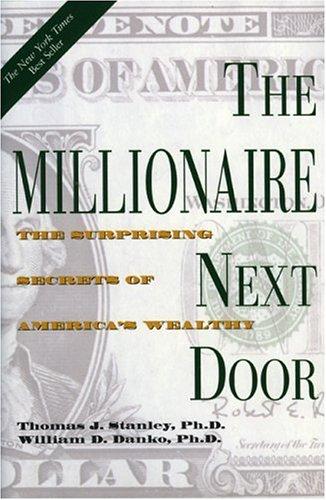
For anyone who confuses high income with wealth, or who feels behind because their lifestyle doesn't look like the we…
Buy on Amazon →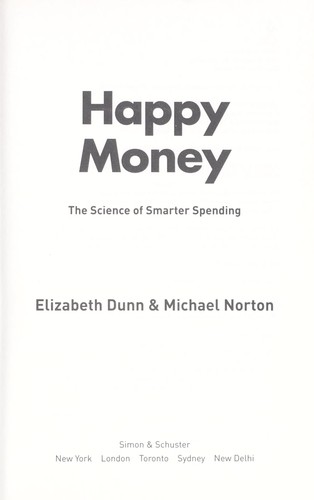
Anyone who earns enough to make discretionary spending choices but suspects their spending is not generating proporti…
Buy on Amazon →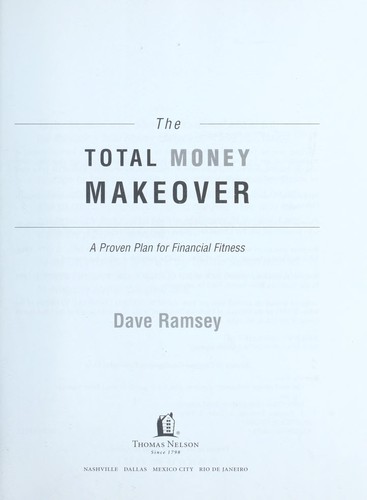
Households in active consumer-debt distress who need a non-negotiable shared script. Not for investors already past B…
Buy on Amazon →About Tracy L Barr
Read more from Tracy L Barr and explore the full bibliography on ClearValue Books.
View Tracy L Barr's page →Get an email if our take on Living well in a down economy for dummies changes.
We re-review our picks. We'll email you if Living well in a down economy for dummies's ranking or review changes — no checking back.

Ready to read Living well in a down economy for dummies?
Buy the edition we recommend on Amazon.
Buy on Amazon →