

Make millions and make change!

Curated by Brian Kim, CPA — every pick gets a plain-English summary and the key takeaways.
Brian Kim, CPA · 2.89M YouTube Subscribers →What this book actually teaches
- 01Mann's core argument is that profit and social impact are not in tension — building a genuinely valuable business generates the resources to fund meaningful change at scale, and entrepreneurship is a moral obligation for those capable of executing it.
- 02The "value stack" philosophy holds that durable companies create measurable value at every relationship layer — customers, employees, vendors, partners, community — and that pure profit-extraction tends to underperform by destroying those relationships.
- 03The domain industry case study illustrates an asset-category timing insight: domain names had genuine scarcity, genuine demand, and an undervalued price when Mann entered; the operational advantage was building brokerage infrastructure before competitors recognized the category.
- 04Mann treats philanthropy like a business — with clear deliverables, accountability, and operational efficiency — and is explicit that the charitable work is funded by and dependent on business success first.
- 05The specific timing advantages Mann had in domain names are not replicable; the business principles are sound but not novel; readers need to extract the framework and apply independent operational thinking to their own context.
What's in this book
Make Millions and Make Change! by Mike Mann, published in 2014, is a first-person account of how Mann built and sold multiple companies — most notably Domain Holdings, a domain name brokerage that generated significant returns — while simultaneously running a philanthropic organization. The book's argument is that profit and social impact are not in tension: that building a genuinely valuable business generates the resources to fund meaningful change, and that the most effective way to help people is to become wealthy enough to do it at scale. Mann frames entrepreneurship as a moral obligation for people with the capability to execute it.
Mann's business philosophy is built around what he calls "the value stack." Every business should create measurable value at each layer — for customers, employees, vendors, partners, and the community — and the accumulation of that value across relationships is what produces durable companies rather than extractive ones. This framing distinguishes Mann from pure profit-maximization thinking without abandoning the goal of financial return. He argues that companies optimized only for shareholder extraction tend to underperform over time because they destroy the relationships that generate value.
The domain business provides the book's most concrete case study. Mann built Domain Holdings by identifying that domain names were undervalued as assets, acquiring large inventories at low cost, and reselling them at prices that reflected their value to buyers who needed them for business purposes. This is not a speculative or arbitrary market — domain names have genuine scarcity (each one is unique), genuine demand (businesses need web presence), and a price discovery mechanism. Mann's insight was operational: he built a brokerage infrastructure before most competitors recognized the category, and sold at the right time. The domain business illustrates the book's practical argument about identifying undervalued asset categories before mainstream capital discovers them.
The philanthropy section describes Mann's organization SEOedu, which he describes as providing free education and employment resources. Mann's view is that giving is most effective when structured like a business — with clear deliverables, accountability, and operational efficiency — rather than as traditional charity. The book is honest that Mann's charitable work is funded by his business success, and that the model requires financial success first.
This is for early-stage entrepreneurs who are trying to reconcile profit-seeking with a desire to do something meaningful, or for readers interested in the specific history of the domain industry in its growth phase.
The weaknesses are significant. The book is written in a first-person confessional style that can read as self-promotional, and Mann's specific successes in domain names are difficult to replicate — the timing advantage he had in identifying the domain market as undervalued is a one-time opportunity. The business principles he articulates (create value at every layer, build relationships, reinvest profits) are sound but not novel. Readers looking for a systematic framework for building a profitable and values-aligned business will find the book useful for inspiration but thin on transferable operational detail. The writing is uneven, and the philanthropic sections are less rigorously analyzed than the business sections.
For readers who need permission or inspiration to pursue wealth without abandoning their values, Make Millions and Make Change offers a readable first-person case study, though the framework requires significant independent development to apply.
Read next

For anyone whose financial education was "get a good job and save" — the book is most valuable for first-time readers…
Buy on Amazon →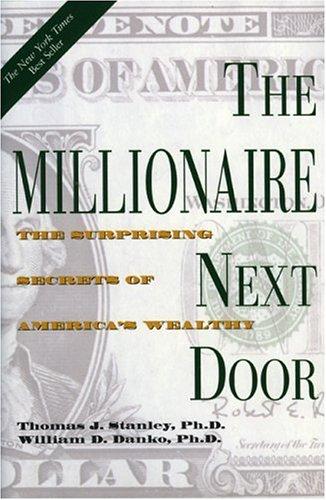
For anyone who confuses high income with wealth, or who feels behind because their lifestyle doesn't look like the we…
Buy on Amazon →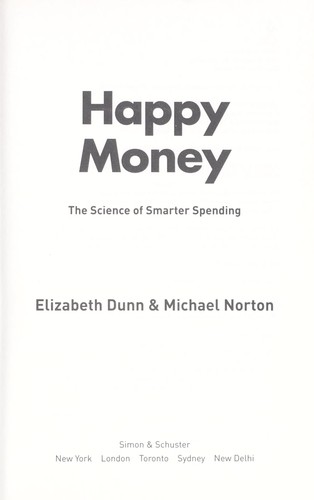
Anyone who earns enough to make discretionary spending choices but suspects their spending is not generating proporti…
Buy on Amazon →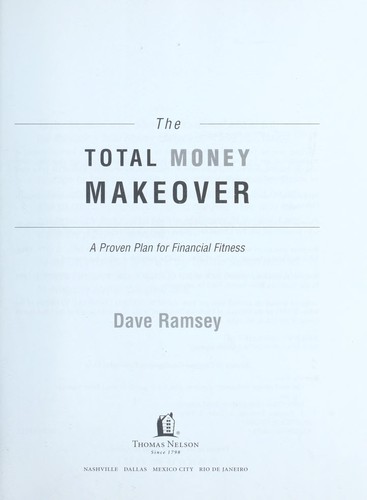
Households in active consumer-debt distress who need a non-negotiable shared script. Not for investors already past B…
Buy on Amazon →About Mike Mann
Read more from Mike Mann and explore the full bibliography on ClearValue Books.
View Mike Mann's page →Get an email if our take on Make millions and make change! changes.
We re-review our picks. We'll email you if Make millions and make change!'s ranking or review changes — no checking back.

Ready to read Make millions and make change!?
Buy the edition we recommend on Amazon.
Buy on Amazon →