

Money is Everything

Curated by Brian Kim, CPA — every pick gets a plain-English summary and the key takeaways.
Brian Kim, CPA · 2.89M YouTube Subscribers →What this book actually teaches
- 01Reaume frames financial discipline as an enabler of life choices — the ability to leave a bad job, take risks, support family — rather than wealth accumulation as an abstract end goal.
- 02The sequencing is appropriate for the life stage: student loan management and emergency fund before investing, employer retirement match maximization before any other investment allocation.
- 03The book addresses the social and psychological dimensions of money (financial disparities in friendships, shared expenses in relationships, guilt around mistakes) that most personal finance texts skip.
- 04Investing coverage is intentionally thin — Reaume argues that foundational habits matter more than investment selection for this audience, which is correct but leaves readers who are ready for more without a clear next step.
- 05Fintech tool and app recommendations are dated (2014); the structural framing holds up but specific product suggestions should be verified against the current marketplace.
What's in this book
Amanda Reaume's Money Is Everything (2014) is a personal finance guide written specifically for millennials entering the workforce and navigating the financial realities of a generation that graduated into a weak job market, carries significant student loan debt, and faces housing costs and retirement savings pressures that differ meaningfully from those of prior generations. The book's central argument is captured in its title: money — or more precisely, financial literacy and early financial discipline — determines the range of choices available in every other area of life, and treating it as a secondary concern has compounding costs that grow more expensive with every year of delay.
Reaume covers the fundamentals in a sequenced way that fits the life stage: managing student loan repayment alongside starting savings, understanding the difference between good and bad debt, building an emergency fund before investing, and taking full advantage of employer retirement matches before allocating money elsewhere. The advice is conventional but appropriately so — the foundational moves are not controversial, and Reaume presents them without the moralistic tone that makes some personal finance writing alienating to younger readers.
The book's most distinctive contribution is its framing of money as an enabler of life choices rather than a goal in itself. Reaume consistently connects financial decisions to the non-financial outcomes they make possible: the ability to leave a bad job, to take career risks, to support a parent, to start a business. This framing is more motivating than abstract wealth accumulation for a demographic that is often skeptical of traditional financial success narratives and wants to understand why the work matters before doing it.
Reaume also addresses the social and psychological dimensions of money that more technical books skip: navigating financial disparities between friends, deciding how to handle shared expenses in relationships, and managing the guilt or shame that often accompanies financial mistakes. These chapters are shorter and less structured than the financial mechanics sections, but they address real friction points that determine whether young people actually implement sound financial habits or only understand them intellectually.
The weaknesses are modest but real. The investing coverage is thin compared to the debt and savings sections — Reaume correctly argues that investment fundamentals matter less than getting the basics right first, but readers ready to think about portfolio construction will need to go elsewhere. Some of the digital tool and app recommendations are dated given how quickly the fintech landscape changes. The book also does not engage seriously with the structural constraints — wage stagnation, housing affordability — that make the standard advice harder to execute than it implies.
For recent graduates or early-career workers who are financially literate enough to understand why personal finance matters but have not yet built consistent habits around it, Money Is Everything is accessible, honest, and practically structured. The motivational framing works better than the typical prescriptive approach for a generation that responds to context before instruction.
Read next

For anyone whose financial education was "get a good job and save" — the book is most valuable for first-time readers…
Buy on Amazon →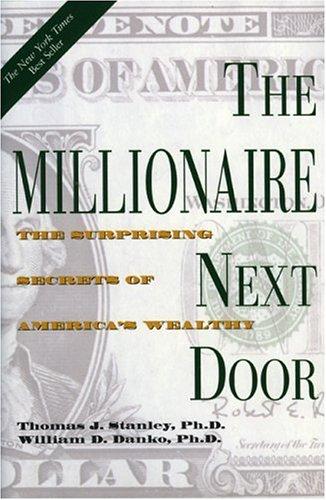
For anyone who confuses high income with wealth, or who feels behind because their lifestyle doesn't look like the we…
Buy on Amazon →
Anyone who earns enough to make discretionary spending choices but suspects their spending is not generating proporti…
Buy on Amazon →
Households in active consumer-debt distress who need a non-negotiable shared script. Not for investors already past B…
Buy on Amazon →About Amanda Reaume
Read more from Amanda Reaume and explore the full bibliography on ClearValue Books.
View Amanda Reaume's page →Get an email if our take on Money is Everything changes.
We re-review our picks. We'll email you if Money is Everything's ranking or review changes — no checking back.

Ready to read Money is Everything?
Buy the edition we recommend on Amazon.
Buy on Amazon →