

Personal Finance in Your 20s for Dummies

Curated by Brian Kim, CPA — every pick gets a plain-English summary and the key takeaways.
Brian Kim, CPA · 2.89M YouTube Subscribers →What this book actually teaches
- 01Paying off high-interest debt above 6-8% beats investing in the same period — the math is not close.
- 02The Roth IRA is most valuable early in a career when current tax rates are low; delay it and you lose the window.
- 03Getting the full employer 401(k) match is an immediate 50-100% return that no investment can beat — do it first.
- 04Negotiating salary at hire compounds into every raise and bonus for the next decade; it is the highest-leverage financial move of your 20s.
- 05A three-month cash emergency fund prevents a medical bill or job loss from sending you back into credit card debt and undoing years of progress.
What's in this book
Eric Tyson's Personal Finance in Your 20s for Dummies is built on one premise: the decisions made in the first decade of adult financial life compound more than any other, and most 20-somethings make those decisions without a framework. The book does not ask for sophistication — it asks for early action on a small set of moves that time will amplify.
The book opens with the spending and debt chapter because Tyson is clear that investing in your 20s while carrying high-interest consumer debt is arithmetically self-defeating. The debt hierarchy is explicit: pay off any balance above 6-8% before directing money to non-employer-matched investing. Below that threshold, the math shifts and investing can run in parallel. Student loan strategy gets its own section — income-driven repayment, Public Service Loan Forgiveness eligibility, and the difference between refinancing federal loans (you lose federal protections) versus private loans (often worth refinancing when rates allow) are covered clearly and without jargon.
The budgeting framework is based on percentage targets — approximately 50% of take-home to needs, 20-30% to savings and debt paydown, the rest to discretionary — rather than line-item budgeting, which Tyson argues 20-somethings won't sustain. The emergency fund chapter recommends three months of essential expenses before investing in anything outside a 401(k) match, with the logic that an emergency without a cash cushion means going back into debt and undoing all the progress.
The investing section is deliberately simple. The core advice is: get the full employer 401(k) match first (it is an immediate 50-100% return), then fund a Roth IRA (tax-free growth is most valuable when current income is low, which early careers typically are), then come back to the 401(k) for additional contributions. Tyson walks through asset allocation by age — higher equity weight at 25 is not a preference but a mathematical function of time horizon — and endorses low-cost target-date funds for investors who don't want to manage allocation themselves.
There are chapters on car buying (leasing is usually a bad deal for someone who puts average miles on a car), renter's versus owner's insurance (chronically underinsured young adults), and career-building as a financial strategy — negotiating salary at hire matters more than any other single financial decision in a decade because it compounds into every raise and bonus that follows.
Who this is for: adults aged 18-30 who want a practical, non-condescending starting point for managing money without financial background. Also useful for parents who want a book they can hand to a college graduate.
Weaknesses
the percentage-based budgeting framework is sensible but loose — readers in high cost-of-living cities will find the 50% needs target laughably low. The investing section is appropriately simple but leans heavily on the U.S. tax-advantaged account structure (401(k), Roth IRA), which limits international applicability. Some of the career and salary chapters feel thin next to dedicated career-development resources. Like all Dummies books, it trades depth for breadth, and any single chapter could be a full book in itself.
Verdict
the right book for someone in their 20s who wants to stop guessing and start with a credible baseline. Not a lifetime investing manual, but an effective launch pad.
Read next

For anyone whose financial education was "get a good job and save" — the book is most valuable for first-time readers…
Buy on Amazon →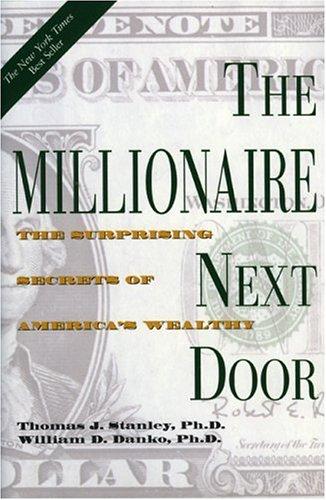
For anyone who confuses high income with wealth, or who feels behind because their lifestyle doesn't look like the we…
Buy on Amazon →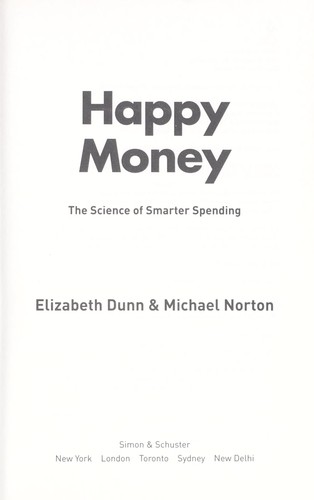
Anyone who earns enough to make discretionary spending choices but suspects their spending is not generating proporti…
Buy on Amazon →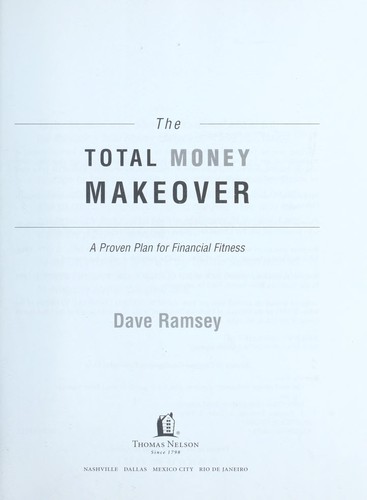
Households in active consumer-debt distress who need a non-negotiable shared script. Not for investors already past B…
Buy on Amazon →About Eric Tyson
Read more from Eric Tyson and explore the full bibliography on ClearValue Books.
View Eric Tyson's page →Get an email if our take on Personal Finance in Your 20s for Dummies changes.
We re-review our picks. We'll email you if Personal Finance in Your 20s for Dummies's ranking or review changes — no checking back.
Across the site
Featured in lists
On Brian's lists

Ready to read Personal Finance in Your 20s for Dummies?
Buy the edition we recommend on Amazon.
Buy on Amazon →