

Picture your prosperity

Curated by Brian Kim, CPA — every pick gets a plain-English summary and the key takeaways.
Brian Kim, CPA · 2.89M YouTube Subscribers →What this book actually teaches
- 01The book argues that financial plans fail more often from lack of a clear life vision than from lack of knowledge — the prosperity picture is designed to provide that missing anchor.
- 02The visualization framework draws on positive psychology research to make abstract financial goals concrete enough to actually change spending and saving behavior.
- 03Standard personal finance content (emergency funds, debt, retirement accounts, insurance) is covered competently at an introductory level, intended as context for the vision framework.
- 04The approach is most useful for motivated-but-scattered savers; it offers less to readers who are already clear on goals but need implementation mechanics.
- 05The authors recommend working with a financial professional for implementation, which is honest but limits the book's standalone utility for action-oriented readers.
What's in this book
Ellen Rogin and Lisa Kueng's central claim is that the primary obstacle to building wealth is not insufficient information but insufficient clarity about what the money is actually for. The book argues that most people's financial plans fail not because they lack a budget or investment account, but because they have never formed a clear, emotionally resonant picture of the life they are building toward — and without that picture, financial behavior defaults to reaction rather than intention. The visualization framework the authors offer is designed to make the abstract goal of financial security concrete enough to actually change behavior.
The methodology draws on positive psychology research and the authors' combined experience as financial advisors. Readers are guided through a series of exercises to identify what they genuinely want from their financial lives, separate from social expectations or inherited assumptions. The titular "prosperity picture" is a structured vision — part financial, part lifestyle — that gets revisited throughout the book as the reference point for all subsequent decisions: spending choices, savings rates, investment allocation, and insurance coverage are evaluated against the picture rather than against generic benchmarks.
Beyond the visualization framework, the book covers standard personal finance terrain: emergency funds, debt management, retirement account basics, and the role of life insurance. The coverage is competent without being deep. The authors are transparent about recommending readers work with a financial professional for implementation, which is honest but limits the book's standalone utility for someone who wants actionable steps rather than a framework.
The weaknesses are clear. The visualization approach works well for readers whose problem is motivation and direction; it adds less value for readers who are already clear on their goals but struggle with the mechanics of implementation. The personal finance content is introductory and does not engage with asset allocation strategy, tax planning, or the tradeoffs between investment options in any serious way. Some readers will find the positive-psychology framing engaging; others will find it lacks the rigor they want when making actual money decisions. The book also sidesteps the harder conversations about what happens when a couple's prosperity pictures conflict.
For early-stage investors or households who feel financially scattered despite reasonable income — who know they should be saving more but can't sustain the motivation — the vision-setting framework provides a useful anchor. Readers who already have clarity on their financial goals will extract less value here.
Read next

For anyone whose financial education was "get a good job and save" — the book is most valuable for first-time readers…
Buy on Amazon →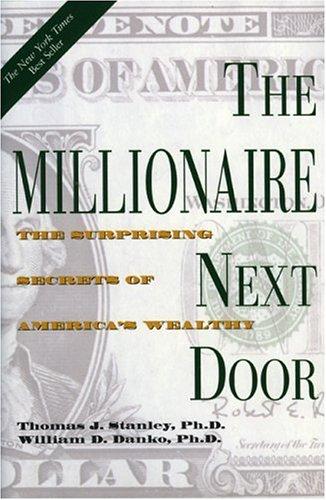
For anyone who confuses high income with wealth, or who feels behind because their lifestyle doesn't look like the we…
Buy on Amazon →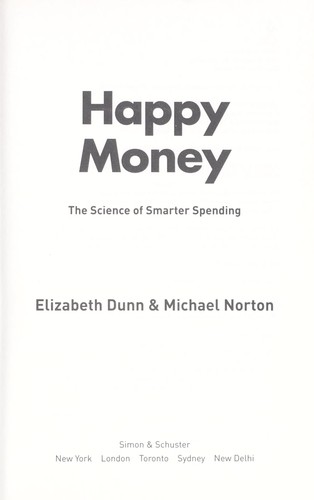
Anyone who earns enough to make discretionary spending choices but suspects their spending is not generating proporti…
Buy on Amazon →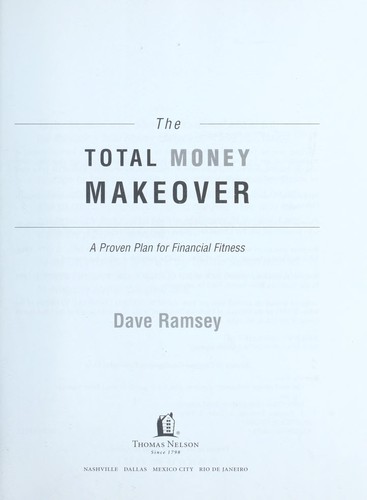
Households in active consumer-debt distress who need a non-negotiable shared script. Not for investors already past B…
Buy on Amazon →About Ellen Rogin
Read more from Ellen Rogin and explore the full bibliography on ClearValue Books.
View Ellen Rogin's page →Get an email if our take on Picture your prosperity changes.
We re-review our picks. We'll email you if Picture your prosperity's ranking or review changes — no checking back.

Ready to read Picture your prosperity?
Buy the edition we recommend on Amazon.
Buy on Amazon →