

Please send money

Curated by Brian Kim, CPA — every pick gets a plain-English summary and the key takeaways.
Brian Kim, CPA · 2.89M YouTube Subscribers →What this book actually teaches
- 01Minimum payments on a $3,000 credit card balance can take over a decade to pay off and cost more in interest than the original purchases.
- 02Reward cards are only financially positive if you pay in full every month — for anyone who carries a balance, the rewards cost more than they return.
- 03Federal student loans have income-driven repayment protections that private loans don't; know the difference before signing.
- 04A 10% savings rate from the first paycheck — even a small one — builds the habit before lifestyle inflation makes it feel impossible.
- 05Getting a full employer 401(k) match is the single highest-return financial move available to an early-career worker.
What's in this book
Dara Duguay's Please Send Money is a financial literacy book aimed squarely at young adults — primarily college students and recent graduates — and its core argument is that the financial industry has deliberately targeted this demographic with products (credit cards, student loans, car loans) calibrated to generate long-term revenue from short-term ignorance. The book is not anti-market; it is pro-literacy. Duguay, who ran the nonprofit financial education organization Credit Advisors Foundation, writes from years of watching young adults enter adulthood with no financial vocabulary and pay for it for decades.
The credit card chapter is the longest and most detailed, and for good reason: Duguay's research (drawn from her nonprofit's counseling intake data) shows that credit card debt is the first and most common financial crisis young adults face. She walks through how minimum-payment math works against the borrower, how the universal default clause (the practice of raising rates across all cards when you miss a payment to any creditor) can compound a single mistake, and how reward cards often cost more in interest than the value of the rewards for anyone who carries a balance. The specific numbers — how long it takes to pay off $3,000 in credit card debt at minimum payments, how much the airline miles actually cost in effective annual rate terms — are the book's most practically useful content.
The student loan chapter runs a similar analysis: federal versus private loans, the difference between subsidized and unsubsidized Stafford loans, how income-driven repayment options work, and the long-term cost of deferring payments during a grace period versus making interest-only payments. Duguay is more cautious than evangelical about student loans — she does not argue against borrowing for college, but she argues for borrowing the minimum and understanding exactly what the repayment commitment looks like before signing.
The budgeting section is practical and low-overhead: Duguay recommends a simple three-bucket system (fixed expenses, variable expenses, savings), with a 10% savings target as the floor rather than a ceiling. She is direct that the obstacle to saving in your 20s is almost never income — it is spending without awareness.
The book also covers car buying, renter's insurance, and the basics of starting a 401(k) — the latter treated as non-negotiable if an employer match is available.
Who this is for: college students and adults in their early 20s who are making their first independent financial decisions, and parents looking for a credible, non-preachy book to hand to a teenager about to leave home.
Weaknesses
the 2008 publication date means specific figures (credit card rates, loan terms, account minimums) are outdated. Several of the credit card industry practices Duguay describes — universal default, overlimit fees — were curtailed by the CARD Act of 2009, which passed after publication. The book does not cover income-share agreements, Buy Now Pay Later products, or app-based banking, which are now major credit pitfalls for the same demographic. Readers should treat the framework as durable and the specific product details as dated.
Verdict
the minimum-payment math alone is worth the cover price if it stops one reader from treating a credit card as extra income. A strong financial literacy gift for a high school graduate or incoming college freshman.
Read next

For anyone whose financial education was "get a good job and save" — the book is most valuable for first-time readers…
Buy on Amazon →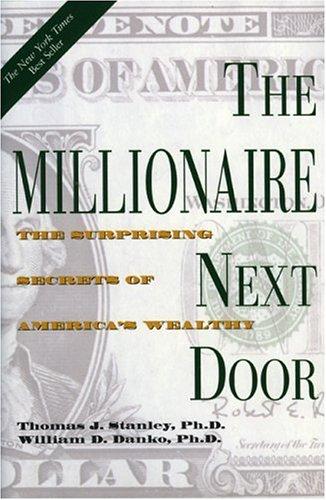
For anyone who confuses high income with wealth, or who feels behind because their lifestyle doesn't look like the we…
Buy on Amazon →
Anyone who earns enough to make discretionary spending choices but suspects their spending is not generating proporti…
Buy on Amazon →
Households in active consumer-debt distress who need a non-negotiable shared script. Not for investors already past B…
Buy on Amazon →About Dara Duguay
Read more from Dara Duguay and explore the full bibliography on ClearValue Books.
View Dara Duguay's page →Get an email if our take on Please send money changes.
We re-review our picks. We'll email you if Please send money's ranking or review changes — no checking back.

Ready to read Please send money?
Buy the edition we recommend on Amazon.
Buy on Amazon →