

Pound Foolish

Curated by Brian Kim, CPA — every pick gets a plain-English summary and the key takeaways.
Brian Kim, CPA · 2.89M YouTube Subscribers →What this book actually teaches
- 01The personal finance industry profits from redirecting frustration with structural economic problems — stagnant wages, housing costs, healthcare — toward individual behavior change it can monetize.
- 02David Bach's "latte factor" is examined as a mathematically weak but rhetorically effective device that shifts focus from income inadequacy to discretionary spending.
- 03Commission-based financial advisors operate under incentive structures that systematically conflict with client interests, and the industry's credentialing landscape makes this difficult for consumers to navigate.
- 04The evidence that mandatory financial literacy education improves financial outcomes is weak — the book reviews the research and finds it does not support the policy's popularity.
- 05Olen's structural critique is strong but underprescriptive; the book is more useful as a skeptic's guide to the industry than as an action plan for individual households.
What's in this book
Helaine Olen's book is a sustained investigative critique of the personal finance industry — the authors, advisors, television personalities, and financial product companies that collectively profit from the premise that individual behavior change is the primary solution to financial insecurity. The central argument is that this premise is largely false and self-serving: most households' financial struggles stem from stagnant wages, rising costs of housing and healthcare, and structural economic shifts — not from insufficient budgeting discipline or failure to follow Suze Orman's advice. The industry, Olen argues, has built a lucrative business redirecting frustration with systemic problems toward the individual choices that are easiest to monetize.
Olen profiles some of the personal finance industry's most prominent figures with journalistic rigor and pointed skepticism. Her examination of David Bach's "latte factor" — the idea that daily small luxuries compound into retirement wealth if foregone — unpacks why the math doesn't work for most households and why the advice, while harmless on its face, distracts from the actual sources of financial strain. Her treatment of Suze Orman covers the gap between the financial products Orman endorsed and the advice she simultaneously gave on television. The chapter on financial literacy education examines the evidence that mandatory personal finance courses in schools have not meaningfully improved financial outcomes, and explores why.
The book also takes on the financial planning profession itself, covering the incentive structures of commission-based advisors, the regulatory gaps that allow conflicted advice to persist under the cover of professional-sounding credentials, and the challenge of distinguishing genuine fiduciary advisors from salespeople using similar language. This section is useful and well-reported, though it was written before the DOL fiduciary rule debates and subsequent regulatory changes that partly addressed some of the conflicts Olen describes.
The weaknesses are real. The book is better at diagnosis than prescription. Olen is clearer about what the personal finance industry gets wrong than about what individuals should actually do instead, and the structural critique — while largely valid — can tip into learned helplessness if taken as the full picture. Individual financial behavior does matter at the margin, even if it is not the primary driver of outcomes. Some readers will also find the tone polemical in places where a more measured treatment would be more persuasive.
For anyone who has found mainstream personal finance advice dissatisfying, or who wants to understand the business model behind the industry before deciding whose advice to follow, this is the essential corrective text.
Read next

For anyone whose financial education was "get a good job and save" — the book is most valuable for first-time readers…
Buy on Amazon →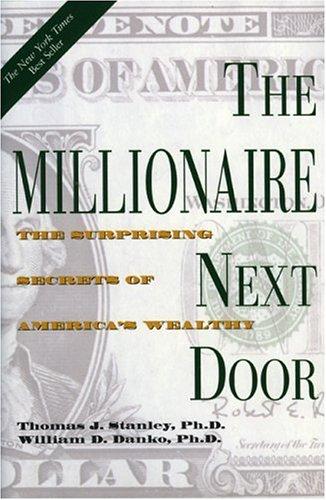
For anyone who confuses high income with wealth, or who feels behind because their lifestyle doesn't look like the we…
Buy on Amazon →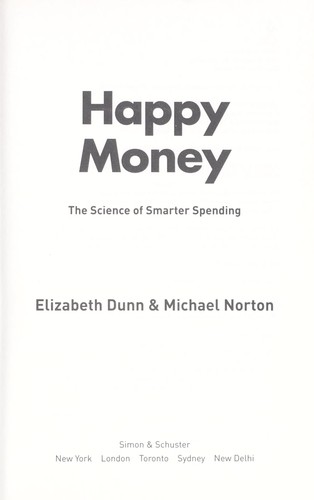
Anyone who earns enough to make discretionary spending choices but suspects their spending is not generating proporti…
Buy on Amazon →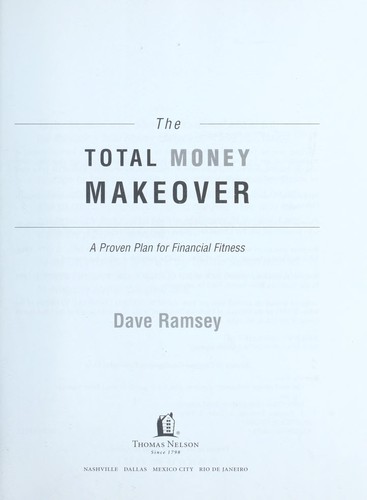
Households in active consumer-debt distress who need a non-negotiable shared script. Not for investors already past B…
Buy on Amazon →About Helaine Olen
Read more from Helaine Olen and explore the full bibliography on ClearValue Books.
View Helaine Olen's page →Get an email if our take on Pound Foolish changes.
We re-review our picks. We'll email you if Pound Foolish's ranking or review changes — no checking back.
