

Secrets of a financial aid pro

Curated by Brian Kim, CPA — every pick gets a plain-English summary and the key takeaways.
Brian Kim, CPA · 2.89M YouTube Subscribers →What this book actually teaches
- 01FAFSA filing timing matters beyond federal aid: some institutional and state grant pools are distributed first-come, first-served until exhausted — late filers may qualify on paper but find funding depleted.
- 02Financial aid administrators have significant discretionary "professional judgment" authority to adjust awards based on documented special circumstances — job loss, medical expenses, divorce — and most families do not know this authority exists or how to request a review.
- 03Both types of appeals are legitimate and work more often than families assume: appeals based on changed financial circumstances and leverage-based appeals (competing institution offers) — Okun provides sample language and explains what makes an appeal easy to accept or reject.
- 04Aid packages routinely change year to year; families who assume sophomore-year aid will match freshman-year aid are frequently surprised and should treat re-filing and re-appeal as an annual process.
- 05The 2014 publication date means formula-specific guidance on the Expected Family Contribution is outdated — the FAFSA Simplification Act replaced the EFC with the Student Aid Index for 2024-25; the professional judgment and appeal frameworks remain valid.
What's in this book
Secrets of a Financial Aid Pro by Jodi Okun, published in 2014, is a process-oriented guide to navigating the financial aid system written by a former college financial aid administrator. Okun's central argument is that the financial aid process systematically disadvantages families who do not understand how it works, and that most of the disadvantage is correctable through better timing, better documentation, and a willingness to appeal award letters — none of which require additional income or assets. The book is less concerned with how much aid a family theoretically qualifies for and more concerned with ensuring that families actually receive what they qualify for and know how to respond when the initial award falls short.
Okun opens with the FAFSA, which she treats as the foundational document of the financial aid process and the point at which most families make their first costly mistakes. She covers the timing question in detail — the FAFSA opens October 1 for the following academic year, and early filing matters because some aid (especially institutional grants and state aid) is distributed on a first-come, first-served basis until funds are exhausted. Families who file late do not necessarily receive less federal aid (which is entitlement-based), but they can miss state and institutional grant pools that are depleted by the time late filers submit. Okun is specific about deadlines in a way that generic financial aid guides are not.
The professional judgment chapter is among the most practically valuable sections. Okun explains that financial aid administrators have significant discretionary authority — called "professional judgment" in the federal regulations — to adjust a student's Expected Family Contribution (EFC) based on documented special circumstances. Job loss, medical expenses, divorce, death of a contributing parent, unusual childcare costs: all of these can trigger a professional judgment review that results in a larger award. Most families do not know this authority exists, and Okun provides specific guidance on how to request a review, what documentation to bring, and how to frame the conversation. Her insider perspective on what financial aid offices respond to is the book's clearest competitive advantage over general guides.
The appeal process chapter extends this. Okun distinguishes between two types of appeals: appeals based on changed financial circumstances (a job loss that occurred after the base year the FAFSA used) and leverage-based appeals (a better offer from a competing institution). Both are legitimate and both work more often than families assume. She provides sample language for appeal letters and walks through what financial aid administrators are looking for — and what makes an appeal easy to reject.
Okun also covers the CSS Profile for private colleges, the difference between grants, loans, and work-study in an award letter (a distinction that sounds obvious but trips up many families evaluating net cost), and the ongoing financial aid relationship through all four years — aid packages routinely change year to year and families who assume their sophomore year aid will match their freshman year award are frequently surprised.
This is for families of current high school students beginning the college search, and for parents who have already received award letters and want to understand their negotiating options.
The weaknesses are currency and depth. The book was published in 2014, and the FAFSA went through significant structural changes under the FAFSA Simplification Act, which took effect for the 2024-25 award year. The Student Aid Index replaced the Expected Family Contribution, the formula changed substantially, and some of the specific guidance on EFC calculation is now outdated. The professional judgment and appeal frameworks remain valid — those are based on longstanding regulatory authority, not the specific formula — but readers should verify the formula-specific sections against current FAFSA guidance. The book is also primarily oriented toward four-year institutions; community college financial aid and vocational program aid get limited coverage.
For families navigating the financial aid process for the first time, Secrets of a Financial Aid Pro offers the clearest insider account of how financial aid offices actually work — and how families who engage actively with the process consistently do better than those who accept the first award letter as final.
Read next

For anyone whose financial education was "get a good job and save" — the book is most valuable for first-time readers…
Buy on Amazon →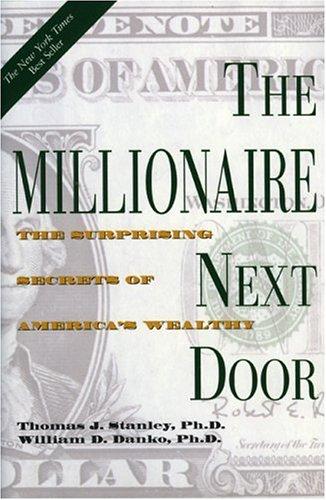
For anyone who confuses high income with wealth, or who feels behind because their lifestyle doesn't look like the we…
Buy on Amazon →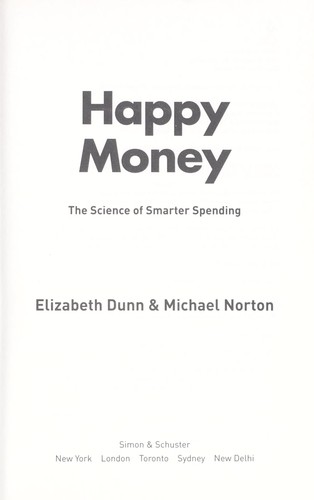
Anyone who earns enough to make discretionary spending choices but suspects their spending is not generating proporti…
Buy on Amazon →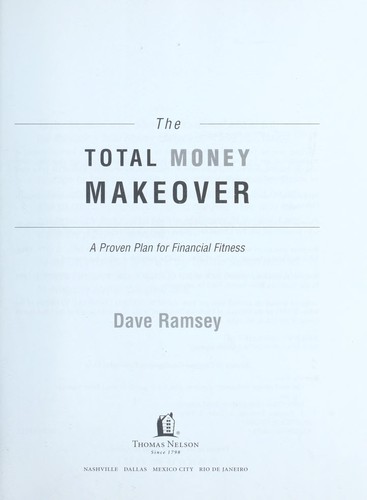
Households in active consumer-debt distress who need a non-negotiable shared script. Not for investors already past B…
Buy on Amazon →About Jodi Okun
Read more from Jodi Okun and explore the full bibliography on ClearValue Books.
View Jodi Okun's page →Get an email if our take on Secrets of a financial aid pro changes.
We re-review our picks. We'll email you if Secrets of a financial aid pro's ranking or review changes — no checking back.

Ready to read Secrets of a financial aid pro?
Buy the edition we recommend on Amazon.
Buy on Amazon →