

Take control of your student loan debt

Curated by Brian Kim, CPA — every pick gets a plain-English summary and the key takeaways.
Brian Kim, CPA · 2.89M YouTube Subscribers →What this book actually teaches
- 01Federal and private student loans operate under entirely different rules — this book correctly treats them separately and explains why the distinction matters.
- 02Income-driven repayment plans existed before 2010, but borrowers rarely learn about them from lenders; the book explains how each plan works with real examples.
- 03Discharge categories — disability, closed school, false certification, unpaid refund — are covered in detail and are among the most valuable sections because most borrowers don't know these options exist.
- 04Forbearance is treated as a last resort throughout, because interest capitalizes during forbearance in ways that compound the debt balance materially.
- 05Published in 2010 — the federal student loan landscape changed significantly afterward; treat this as a framework reference and verify current program rules at studentaid.gov.
What's in this book
Robin Leonard and Sheryl Garrett's Take Control of Your Student Loan Debt (2010) makes a case that is blunt and practical: student loans are not like other debt, and managing them well requires understanding a set of rules — income-driven repayment plans, deferment and forbearance options, discharge and forgiveness programs — that most borrowers never learn because lenders have little incentive to explain them clearly. The book's core argument is that borrowers have more options than the standard repayment letter suggests, and that knowing those options early changes the financial trajectory significantly.
The book covers federal and private student loans separately, which is the correct structure — the rules governing each are fundamentally different. For federal loans, the treatment of income-driven repayment plans is detailed: the income-contingent repayment program (ICR), income-sensitive repayment, and the graduated repayment structures available at the time of publication are walked through with worked examples. The deferment chapter covers the specific conditions that trigger in-school, economic hardship, and military deferments, and distinguishes them clearly from forbearance, which Leonard and Garrett treat as a last resort because interest continues to capitalize. The discharge section is one of the book's strongest: it covers total and permanent disability discharge, closed school discharge, false certification discharge, and unpaid refund discharge — categories most borrowers do not know exist. The chapter on loan forgiveness covers public service employment and teacher loan forgiveness, which were the primary pathways available in 2010.
This is aimed at borrowers — particularly those in financial difficulty, in public service careers, or managing loans from schools that closed — who need to understand the full menu of options before making repayment decisions.
The weaknesses are structural and significant. The book was published in 2010, before the Pay As You Earn (PAYE) program (2012), Revised PAYE (2015), the SAVE plan (2023), the post-2010 elimination of FFEL new originations, and the Supreme Court's 2023 ruling on broad loan forgiveness. The federal student loan landscape changed substantially after this book went to print. Income thresholds, forgiveness timelines, and specific program rules described in the book should be verified against current Federal Student Aid guidance before acting. Private loan sections are the most durably useful, as private loan rules are set by lenders and have not changed as dramatically.
Worth reading as a framework for understanding how federal student loan rules are structured and where the leverage points are — but not a current reference. Pair with the studentaid.gov loan simulator for current program parameters.
Read next

For anyone whose financial education was "get a good job and save" — the book is most valuable for first-time readers…
Buy on Amazon →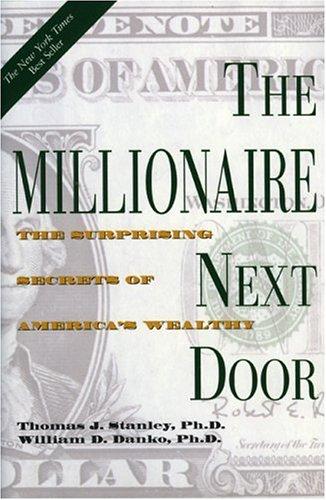
For anyone who confuses high income with wealth, or who feels behind because their lifestyle doesn't look like the we…
Buy on Amazon →
Anyone who earns enough to make discretionary spending choices but suspects their spending is not generating proporti…
Buy on Amazon →
Households in active consumer-debt distress who need a non-negotiable shared script. Not for investors already past B…
Buy on Amazon →About Robin Leonard
Read more from Robin Leonard and explore the full bibliography on ClearValue Books.
View Robin Leonard's page →Get an email if our take on Take control of your student loan debt changes.
We re-review our picks. We'll email you if Take control of your student loan debt's ranking or review changes — no checking back.
Across the site
Featured in lists
Recommended in answers

Ready to read Take control of your student loan debt?
Buy the edition we recommend on Amazon.
Buy on Amazon →