

Taming the Money Monster

Curated by Brian Kim, CPA — every pick gets a plain-English summary and the key takeaways.
Brian Kim, CPA · 2.89M YouTube Subscribers →What this book actually teaches
- 01Blue frames financial anxiety as a control problem, not a math problem — the solution is a systematic stewardship framework that restores a sense of agency.
- 02Cash-flow margin — the gap between income and outgo — is the single most important metric Blue tracks, and all decisions about debt, spending, and saving run through it.
- 03The Christian-stewardship premise is foundational, not peripheral: the book's behavioral recommendations rest on a philosophy of ownership (God owns it) and stewardship (we manage it).
- 04Giving is treated as a financial discipline that breaks the emotional hold money has over decision-making, not as an optional add-on after other goals are met.
- 05The investment content is thin — this is a book about financial peace and debt elimination, not wealth accumulation.
What's in this book
Ron Blue's argument is that financial anxiety — the "money monster" of the title — is not primarily a math problem but a control problem: people feel out of control of their money, and the solution is a systematic approach to budgeting, debt elimination, saving, and giving that restores a sense of stewardship and agency. Blue, a Christian financial planner who founded Ronald Blue & Co. (later Ronald Blue Trust), writes explicitly from a biblical worldview, grounding the financial framework in the premise that God owns everything and believers are stewards.
The practical content covers the core personal-finance fundamentals: building a realistic budget, establishing an emergency fund, eliminating consumer debt in priority order, saving for long-term goals, and giving as a financial discipline rather than an afterthought. Blue's specific contribution is the cash-flow margin concept — the idea that the gap between income and outgo is the single most important financial metric for a household, and that every decision about spending, debt, and saving should be evaluated through its effect on that margin. The framework is simple and deliberately so: Blue is writing for people who are overwhelmed, not for financial professionals.
The Christian-stewardship framing is pervasive and load-bearing in the book. Blue does not treat it as a sidebar — it is the foundation of the philosophy. Money is a tool; contentment is the goal; giving is a discipline that loosens the grip money has on behavior. For readers who share that worldview, the integration of financial practice and faith makes the book more coherent than generic personal-finance books. For readers who don't, the framework still works as a behavioral argument about what produces financial peace, though the explicitly biblical grounding will feel intrusive.
For readers looking for a faith-based personal-finance framework that integrates budgeting, debt elimination, and giving into a coherent whole, particularly those who find Dave Ramsey's approach useful but want a calmer, less performative version.
Weaknesses
the book is light on specifics compared to what readers might expect — the budgeting advice is directional rather than granular, and the debt-elimination framework doesn't engage with the interest-rate optimization debate (avalanche vs. snowball) that later personal-finance writing would formalize. The investment content is thin — Blue addresses saving and giving more than wealth-building, which reflects the audience (people in financial distress) more than a philosophical gap, but readers looking for investing guidance won't find much here. The 1993 publication date also means the context is pre-internet, pre-online banking, and the specific products and mechanics have changed substantially.
Verdict
a solid entry-level personal-finance book for readers who want a faith-grounded framework for financial peace of mind. Not an investing book; not a substitute for more granular debt or budgeting resources, but useful as a motivational and philosophical frame.
Read next

For anyone whose financial education was "get a good job and save" — the book is most valuable for first-time readers…
Buy on Amazon →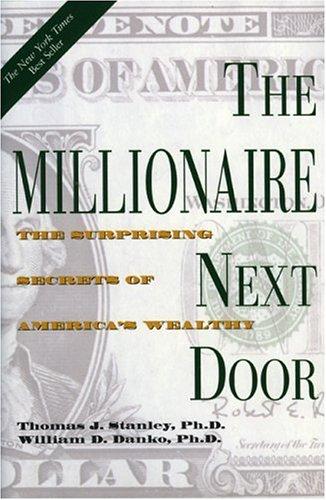
For anyone who confuses high income with wealth, or who feels behind because their lifestyle doesn't look like the we…
Buy on Amazon →
Anyone who earns enough to make discretionary spending choices but suspects their spending is not generating proporti…
Buy on Amazon →
Households in active consumer-debt distress who need a non-negotiable shared script. Not for investors already past B…
Buy on Amazon →About Ron Blue
Read more from Ron Blue and explore the full bibliography on ClearValue Books.
View Ron Blue's page →Get an email if our take on Taming the Money Monster changes.
We re-review our picks. We'll email you if Taming the Money Monster's ranking or review changes — no checking back.

Ready to read Taming the Money Monster?
Buy the edition we recommend on Amazon.
Buy on Amazon →