

The dollars and sense of divorce

Curated by Brian Kim, CPA — every pick gets a plain-English summary and the key takeaways.
Brian Kim, CPA · 2.89M YouTube Subscribers →What this book actually teaches
- 01Know the full marital estate before negotiations begin — hidden or undervalued assets are common and easy to miss.
- 02Different assets carry different tax liabilities; a dollar of stock and a dollar of cash are not equal in a property division.
- 03The marital home is often the emotionally charged decision that makes the least financial sense to fight for.
- 04Build independent credit before the divorce finalizes — waiting until after is too late.
- 05The 1988 specifics on alimony tax treatment and retirement accounts are outdated; verify every rule with a current professional.
What's in this book
Judith Briles' central argument in The Dollars and Sense of Divorce is that the financial devastation most people experience in divorce is not inevitable — it is the product of going into one of the largest financial transactions of a lifetime without financial literacy or a coherent strategy. Published in 1988, the book targets women in particular, reflecting the era's reality that many wives had deferred financial management to a spouse and faced divorce proceedings with little understanding of the marital estate, their own credit standing, or how to evaluate a settlement.
Briles structures the book around the mechanics of marital finance that divorcing spouses must master quickly. She starts with the inventory problem: most people do not know what they actually own as a married couple. That means tracking down bank and brokerage accounts, pension valuations, business interests, and hidden or undervalued assets — all before negotiations begin. She walks through the tax implications of property division (different assets carry different embedded tax liabilities, making a dollar of stock not equal to a dollar of cash), the treatment of the marital home (whether to fight for it, sell it, or defer the buyout), and the mechanics of alimony and child support as income streams that need to be modeled financially, not just legally.
The credit chapter addresses what was then an acute problem for many divorced women: no independent credit history. Briles walks through building credit, disputing errors, and understanding what a lender sees — practical groundwork for financial independence after the marriage ends. She also covers the insurance gap (health coverage during and after proceedings, life insurance tied to support obligations, property coverage in transition) and the practical question of how to hire and work with attorneys, accountants, and financial advisors without getting overcharged or underserved.
This is aimed at people — primarily women — entering or early in divorce proceedings who have not been the primary financial manager in the marriage and need a fast literacy ramp before negotiations lock in.
The caveats are significant. The book is from 1988, and the legal, tax, and financial landscape has shifted substantially: tax treatment of alimony changed with the 2017 Tax Cuts and Jobs Act, retirement account division via QDROs is now standard practice the book barely covers, and the credit system Briles describes has been modernized by decades of consumer protection law. Readers should treat the framework and categories as valid while independently verifying every specific rule with a current source. The book also skews heavily toward women as the financially disadvantaged party, which reflects its era and may not apply to every reader's situation.
For a reader entering divorce proceedings today, the book's framework — inventory the estate, understand the tax basis of each asset, build independent credit, model support obligations as income streams — is still directionally correct. The specifics need updating from a 2020s-era divorce financial analyst or CPA.
Read next

For anyone whose financial education was "get a good job and save" — the book is most valuable for first-time readers…
Buy on Amazon →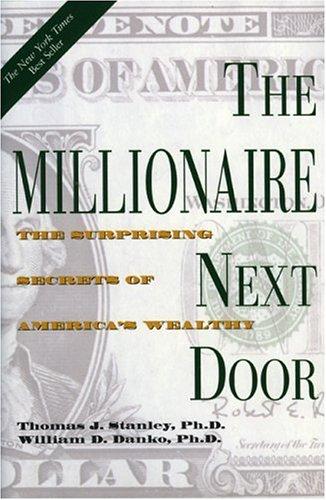
For anyone who confuses high income with wealth, or who feels behind because their lifestyle doesn't look like the we…
Buy on Amazon →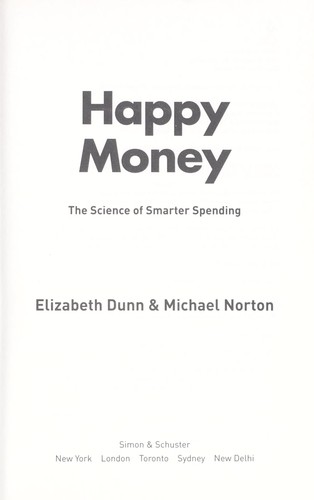
Anyone who earns enough to make discretionary spending choices but suspects their spending is not generating proporti…
Buy on Amazon →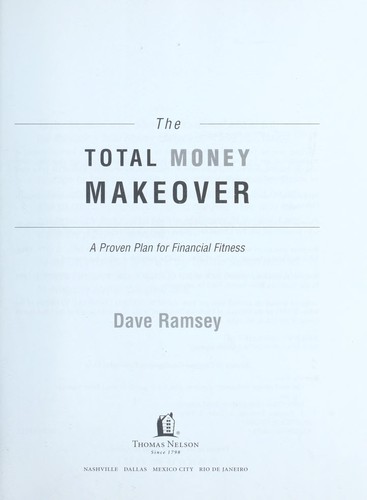
Households in active consumer-debt distress who need a non-negotiable shared script. Not for investors already past B…
Buy on Amazon →About Judith Briles
Read more from Judith Briles and explore the full bibliography on ClearValue Books.
View Judith Briles's page →Get an email if our take on The dollars and sense of divorce changes.
We re-review our picks. We'll email you if The dollars and sense of divorce's ranking or review changes — no checking back.
Across the site
Featured in lists

Ready to read The dollars and sense of divorce?
Buy the edition we recommend on Amazon.
Buy on Amazon →