

The Money Book for the Young, Fabulous & Broke

Curated by Brian Kim, CPA — every pick gets a plain-English summary and the key takeaways.
Brian Kim, CPA · 2.89M YouTube Subscribers →What this book actually teaches
- 01Contribute to a 401(k) up to the employer match even while carrying student loan debt — a guaranteed 50-100% return on matched contributions beats almost any debt interest rate.
- 02Credit utilization — keeping balances below 30% of available credit, ideally below 10% — is as important as payment history for FICO scores, and many on-time payers have poor scores because of it.
- 03Balance transfer zero-percent promotions often include a transfer fee that significantly reduces the apparent benefit; model the full cost before moving balances.
- 04The break-even calculation on renting versus buying depends on how long you plan to stay in the home — for mobile young adults, renting is often the financially rational choice.
- 05Standard personal finance advice was designed for people with financial stability; applying it mechanically to young adults without modification can produce the wrong sequencing at the wrong time.
What's in this book
The Money Book for the Young, Fabulous & Broke by Suze Orman is addressed to a specific reader: someone in their 20s or early 30s who is financially stressed, probably carrying student loan debt and credit card balances, and receiving personal finance advice that was clearly written for someone with a different life. Orman's argument is that the standard personal finance playbook — pay off all debt before investing, build a six-month emergency fund before doing anything else — was designed for people with financial stability and that applying it to young adults without modification produces the wrong outcomes at the wrong time.
The book's most distinctive position concerns the interaction between student loan debt and retirement investing. Orman argues that young adults should contribute to a 401(k) up to the employer match even while carrying student loan debt — a position that directly contradicts the Ramsey debt-first sequencing. Her logic is the math of employer match: a 50% or 100% match on contributions up to a percentage of salary is an immediate guaranteed return that almost no debt interest rate can match. Walking away from the match to accelerate debt payoff is, in Orman's framing, leaving money on the table that no other personal finance move can replace.
The credit section is unusually specific for a personal finance book. Orman explains how FICO scores are calculated — payment history, credit utilization, length of credit history, credit mix, new inquiries — and provides actionable guidance on each variable. The utilization chapter is particularly clear: keeping balances below 30% of available credit (and ideally below 10%) is as important as payment history, and many young adults who pay on time still have poor scores because their utilization is high on a limited credit line. The book operationalizes this rather than just stating the principle.
The debt management chapters cover negotiating with credit card companies, requesting hardship programs, and the mechanics of balance transfer offers — including the transfer fee math that makes many apparent deals less attractive than the zero-percent promotion suggests. Orman is direct about the situations where consolidation makes sense and where it doesn't, and flags the specific traps in each option.
The renting-versus-buying chapter was prescient for its time (2005) and dated by the financial crisis that followed three years later. Orman does not advocate buying at all costs — she presents a break-even calculation based on how long you plan to stay in the home and makes the case that renting is a financially rational choice for mobile young adults — but the specific housing market assumptions are pre-crisis.
Who this is for: young adults in their 20s and early 30s who are carrying student loan debt and feeling behind, and who have found conventional personal finance advice either inapplicable or discouraging. Particularly useful for readers who don't have a financial safety net from family and are building from scratch.
Weaknesses
the 2005 publication date means the specific financial product landscape has shifted — the student loan interest rate environment, the credit card regulatory framework (pre-CARD Act 2009), and the housing market assumptions are all dated. Orman's investment recommendations are heavier on managed funds than index funds, which reflects the pre-Boglehead consensus mainstream of 2005. The writing style is enthusiastic in a way that occasionally tips into the promotional register the voice guide flags — the word "fabulous" is doing a lot of emotional work that may not age well for all readers.
Verdict
the student loan plus 401(k)-match argument alone makes this worth reading for young adults with employer matches they're not capturing; the credit score mechanics are explained more clearly here than in most books written since.
Read next

For anyone whose financial education was "get a good job and save" — the book is most valuable for first-time readers…
Buy on Amazon →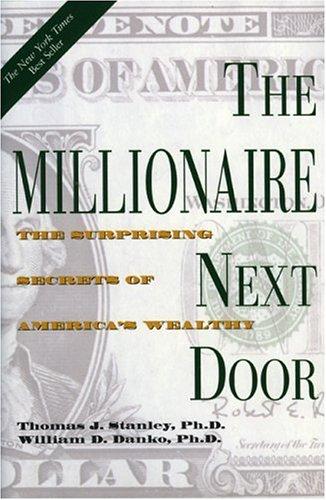
For anyone who confuses high income with wealth, or who feels behind because their lifestyle doesn't look like the we…
Buy on Amazon →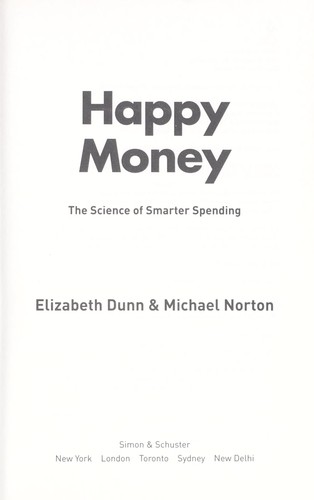
Anyone who earns enough to make discretionary spending choices but suspects their spending is not generating proporti…
Buy on Amazon →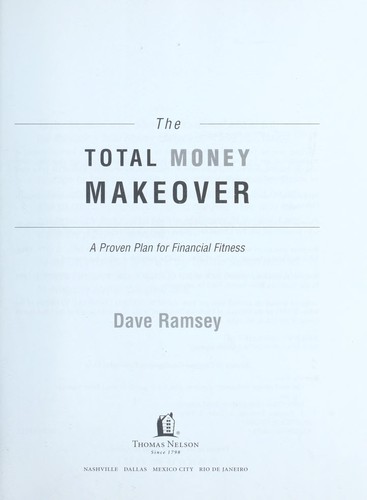
Households in active consumer-debt distress who need a non-negotiable shared script. Not for investors already past B…
Buy on Amazon →How The Money Book for the Young, Fabulous & Broke stacks up
About Suze Orman
Read more from Suze Orman and explore the full bibliography on ClearValue Books.
View Suze Orman's page →Get an email if our take on The Money Book for the Young, Fabulous & Broke changes.
We re-review our picks. We'll email you if The Money Book for the Young, Fabulous & Broke's ranking or review changes — no checking back.
Across the site
Featured in lists
Compared with

Ready to read The Money Book for the Young, Fabulous & Broke?
Buy the edition we recommend on Amazon.
Buy on Amazon →