

The New Normal

Curated by Brian Kim, CPA — every pick gets a plain-English summary and the key takeaways.
Brian Kim, CPA · 2.89M YouTube Subscribers →What this book actually teaches
- 01McNamee argues that three simultaneous tailwinds ended together after 2000 — Boomer demographics, tech productivity surge, and benign monetary policy — making prior recovery playbooks obsolete.
- 02In a low-growth environment, the book prescribes seeking pockets of real earnings-based growth rather than broad index exposure.
- 03Free cash flow and earnings quality are preferred over revenue multiples — a direct pushback against 1990s dot-com valuation norms.
- 04The secular stagnation thesis proved premature; U.S. equities delivered strong returns through 2007 before the financial crisis, making the book's specific investment calls poor guides.
- 05The book's historical value is as a document of post-bubble investor psychology, not as a current investment framework.
What's in this book
Roger McNamee's argument in The New Normal is that the economic and investing environment that emerged after the dot-com crash and September 11 required a fundamental rethinking of how individuals and institutions should allocate capital. McNamee, a venture capitalist and co-founder of Elevation Partners, wrote the book in 2004 as an explicit break with the assumptions that had driven the bull market of the 1990s: that equities always outperform over the long run, that growth companies should be valued on revenue multiples rather than earnings, and that the Federal Reserve can manage away recessions.
The arguments build in three parts. First, the diagnosis: McNamee argues that the 1990s bull market was driven by a one-time demographic surge (Baby Boomers in peak saving years), a one-time technology productivity jump, and a monetary policy that had never been tested against the unwinding of a true asset bubble. All three tailwinds reversed simultaneously, and the recovery playbook from prior recessions did not apply. Second, the investment implications: in a low-growth, mean-reverting market, the standard 60/40 portfolio and the "buy and hold broad index" default would underperform for an extended period. McNamee argued for differentiation — finding pockets of real growth rather than riding a rising tide, preferring free cash flow and earnings over revenue story-telling, and being willing to hold cash when opportunities were scarce. Third, the behavioral and practical reframing: investors needed to unlearn the reflexive optimism that the 1990s rewarded and build a framework for operating in an environment where nominal returns would be modest and real returns thinner still.
The natural audience is retail investors and financial advisors who lived through the dot-com bust and wanted a systematic explanation of why the recovery felt different from previous cycles.
The weaknesses are significant in hindsight. The book was published in 2004, and the equity markets proceeded to deliver strong returns through 2007 before the financial crisis created an entirely different and more severe dislocation. McNamee's secular stagnation thesis was premature, and his skepticism about broad index investing proved costly advice for any reader who followed it. The book's framework is interesting as a historical artifact of post-bubble thinking, but its specific investment prescriptions aged badly. The analysis is also U.S.-centric and largely equity-focused, with limited engagement with fixed income, alternative assets, or international markets.
Worth reading as a document of how serious investors thought about portfolio construction after the dot-com era. Not a reliable guide to current conditions or a sound basis for portfolio decisions today.
Read next

For anyone whose financial education was "get a good job and save" — the book is most valuable for first-time readers…
Buy on Amazon →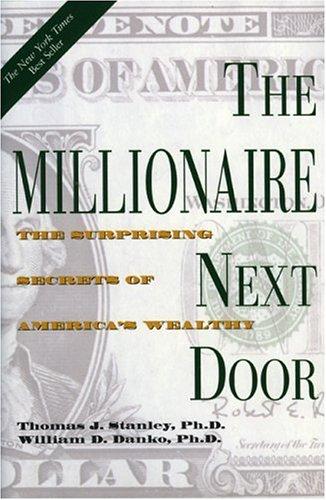
For anyone who confuses high income with wealth, or who feels behind because their lifestyle doesn't look like the we…
Buy on Amazon →
Anyone who earns enough to make discretionary spending choices but suspects their spending is not generating proporti…
Buy on Amazon →
Households in active consumer-debt distress who need a non-negotiable shared script. Not for investors already past B…
Buy on Amazon →About Roger Mcnamee
Read more from Roger Mcnamee and explore the full bibliography on ClearValue Books.
View Roger Mcnamee's page →Get an email if our take on The New Normal changes.
We re-review our picks. We'll email you if The New Normal's ranking or review changes — no checking back.
