

The Price of Admission

Curated by Brian Kim, CPA — every pick gets a plain-English summary and the key takeaways.
Brian Kim, CPA · 2.89M YouTube Subscribers →What this book actually teaches
- 01The enrollment gap between high- and low-income students is not fully explained by net tuition; information failures, FAFSA complexity, and preparation gaps are significant factors.
- 02Analysis of Pell Grant expansions and state merit scholarship programs shows mixed effects on enrollment — lower price does not mechanically produce proportional enrollment gains.
- 03A meaningful share of the income-based enrollment gap is determined by K-12 preparation differences that precede the college decision.
- 04The book is an academic policy monograph from the late 1990s; the financial aid landscape has shifted substantially since publication.
- 05FAFSA complexity and inconsistent aid packaging across schools create non-financial barriers that policy reforms should address separately from tuition levels.
What's in this book
Thomas J. Kane's argument in The Price of Admission is that the conventional diagnosis of declining college enrollment among low-income students — that the real cost of college is too high — is incomplete and in some respects misleading. Kane, an economist at Harvard's Graduate School of Education, examines the gap in college-going rates between high- and low-income students and argues that the gap is not primarily explained by net tuition (after grants and aid) but by a more complex set of factors including information failures, the complexity of the financial aid system, academic preparation gaps that precede the enrollment decision, and the real costs of time and foregone earnings.
The arguments build in several layers. First, the financial-aid evidence: Kane analyzes what happened when Pell Grants increased in real value and when state merit scholarship programs were introduced, and what the data show about the relationship between grant aid and enrollment. The results are more mixed than the simple "lower price = more enrollment" story implies: some programs show meaningful effects, others show surprisingly small ones. Second, the information and complexity argument: the FAFSA application process, the inconsistency of aid packaging across schools, and the lack of clear pricing information early in the college decision process create barriers that are not purely financial. Third, the preparation gap: a significant portion of the college enrollment gap between income groups is already determined by academic preparation differences before high school ends — preparation that is itself a product of K-12 inequality.
The natural audience is policy researchers, education economists, financial aid administrators, and practitioners working on college access who want a rigorous empirical treatment rather than a political narrative.
The weaknesses are worth noting. The book is an academic policy monograph, not a personal-finance guide — readers looking for advice on how to pay for college will not find it here. The research base is from the late 1990s and early 2000s; tuition levels, the Pell Grant's real value, and the financial aid landscape have shifted significantly in the intervening decades. Some of the policy conclusions have been extended and revised by more recent research. The writing is accessible for an academic text but assumes comfort with empirical policy analysis.
Worth reading for policy researchers and higher-education practitioners who want a data-grounded account of what actually drives the college enrollment gap and what financial aid policy does and does not accomplish. Not a personal-finance title in the conventional sense.
Read next

For anyone whose financial education was "get a good job and save" — the book is most valuable for first-time readers…
Buy on Amazon →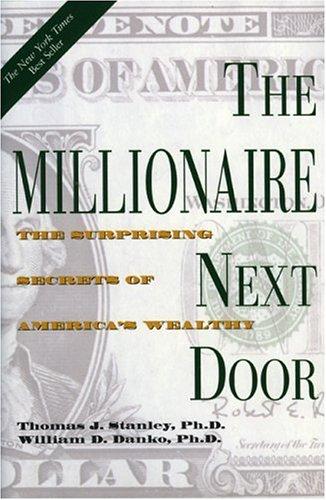
For anyone who confuses high income with wealth, or who feels behind because their lifestyle doesn't look like the we…
Buy on Amazon →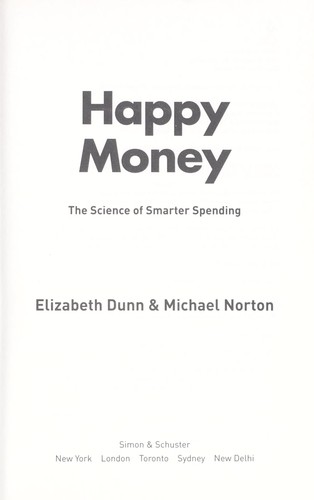
Anyone who earns enough to make discretionary spending choices but suspects their spending is not generating proporti…
Buy on Amazon →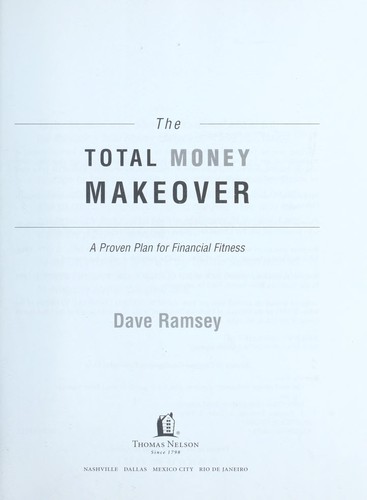
Households in active consumer-debt distress who need a non-negotiable shared script. Not for investors already past B…
Buy on Amazon →About Thomas J Kane
Read more from Thomas J Kane and explore the full bibliography on ClearValue Books.
View Thomas J Kane's page →Get an email if our take on The Price of Admission changes.
We re-review our picks. We'll email you if The Price of Admission's ranking or review changes — no checking back.

Ready to read The Price of Admission?
Buy the edition we recommend on Amazon.
Buy on Amazon →