

The Richest Woman in Babylon and Manhattan

Curated by Brian Kim, CPA — every pick gets a plain-English summary and the key takeaways.
Brian Kim, CPA · 2.89M YouTube Subscribers →What this book actually teaches
- 01The book adapts Clason's core Babylonian parables — pay yourself first, live within means, make money work rather than sit — for women's contemporary financial lives, adding structural context Clason's original did not address.
- 02Tersigni frames the gender pay gap and caregiving-related career interruptions as structural realities that make deliberate application of the Babylonian principles more urgent for women, not as arguments against the principles themselves.
- 03The narrative parable format follows Clason's original delivery mechanism — contemporary Manhattan characters work through the same financial patterns the Babylonian characters did, which makes abstract principles concrete but limits analytical depth.
- 04Investment guidance stays at the level of principles (diversify, seek consistency over spectacle, understand what you own) rather than specific instruments — appropriate for the format but insufficient for readers who need asset-level guidance.
- 05Readers who have already read Clason's original or internalized his framework will find the value primarily in the updated narrative framing rather than in new financial arguments — it is an adaptation, not an extension.
What's in this book
The Richest Woman in Babylon and Manhattan by Annette Tersigni adapts the core parables of George Clason's 1926 classic The Richest Man in Babylon, reframing the ancient Babylonian financial fables through the experiences of women navigating contemporary financial life. Tersigni's thesis is that the timeless principles Clason codified — spend less than you earn, invest the surplus, protect what you accumulate, make your money work for you — apply to women's financial lives in the same fundamental way they apply to men's, but that women face structural and cultural obstacles in applying them that the original Clason text does not address. The adaptation uses narrative parables, as Clason did, as the delivery mechanism for the underlying principles.
The core Babylonian principles carry forward largely intact: the rule of paying yourself first (saving at least one-tenth of earnings before any other obligation), the discipline of living within means as a precondition for wealth accumulation, the importance of seeking advice from competent people rather than well-meaning friends, and the principle that wealth once accumulated must be protected from high-risk ventures and persuasive salespeople. Tersigni's narrative updates relocate these principles to Manhattan, where contemporary women characters work through versions of the same financial struggles the Babylonian characters faced — earning without accumulating, accumulating without growing, spending against future income rather than past savings.
Where the adaptation adds ground Clason did not cover is in addressing the specific financial dynamics women navigate: the gender pay gap and its compounding effect on lifetime savings and retirement security, the career interruptions that accompany caregiving responsibilities and their impact on Social Security credits and retirement plan contributions, and the financial vulnerability that can accompany divorce or the death of a spouse when one partner has been less engaged with household finances. Tersigni frames these not as grievances but as structural realities that make the underlying Babylonian principles — pay yourself first, control your expenditures, make your gold multiply — even more important to apply deliberately rather than incidentally.
The investment guidance stays at the level of principles rather than specific instruments: diversify, seek consistent returns over spectacular ones, understand what you own and why, and avoid schemes that promise returns too high to be sustainable. This is appropriate given the parables format but means readers who want asset-specific guidance will need additional resources.
This is for women who are familiar with personal finance principles in the abstract but have not translated them into consistent financial behavior — particularly those who found Clason's original too abstracted from contemporary circumstances to feel personally applicable.
The weaknesses are depth and originality. Readers who have already internalized the Babylonian principles — or who read Clason's original — will find limited new analytical content here; the value is in the narrative reframing and the application to women's specific financial circumstances, not in novel financial frameworks. The Manhattan setting and contemporary characters are engaging, but the book ultimately covers familiar territory through a new lens rather than introducing materially different arguments. Readers who want a substantive treatment of women's specific financial planning challenges — retirement savings gaps, Social Security optimization, insurance planning after widowhood or divorce — will need additional resources alongside this one.
For women who want Clason's foundational principles rendered through contemporary characters and circumstances that reflect their own lives, The Richest Woman in Babylon and Manhattan accomplishes the translation cleanly — even if it does not extend significantly beyond what Clason established.
Read next

For anyone whose financial education was "get a good job and save" — the book is most valuable for first-time readers…
Buy on Amazon →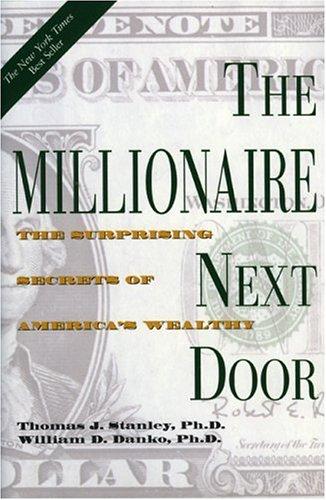
For anyone who confuses high income with wealth, or who feels behind because their lifestyle doesn't look like the we…
Buy on Amazon →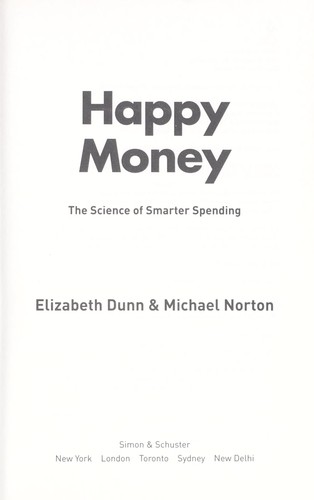
Anyone who earns enough to make discretionary spending choices but suspects their spending is not generating proporti…
Buy on Amazon →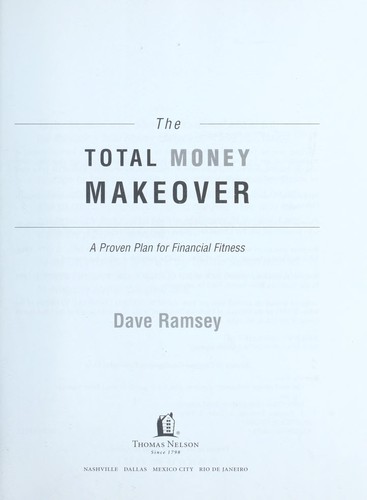
Households in active consumer-debt distress who need a non-negotiable shared script. Not for investors already past B…
Buy on Amazon →How The Richest Woman in Babylon and Manhattan stacks up
About Cynthia James
Read more from Cynthia James and explore the full bibliography on ClearValue Books.
View Cynthia James's page →Get an email if our take on The Richest Woman in Babylon and Manhattan changes.
We re-review our picks. We'll email you if The Richest Woman in Babylon and Manhattan's ranking or review changes — no checking back.

Ready to read The Richest Woman in Babylon and Manhattan?
Buy the edition we recommend on Amazon.
Buy on Amazon →