

The road out of debt

Curated by Brian Kim, CPA — every pick gets a plain-English summary and the key takeaways.
Brian Kim, CPA · 2.89M YouTube Subscribers →What this book actually teaches
- 01The book treats bankruptcy as a legal tool rather than a moral failure — Feeney's argument is that accurate understanding of bankruptcy enables better decision-making about whether it is the right option, not that it is the right option for everyone.
- 02Chapter 7 discharges most unsecured debt within months but involves potential asset loss and a ten-year credit report impact; Chapter 13 allows asset retention through a three-to-five-year repayment plan — the means test and asset protection needs determine which applies.
- 03Debt settlement's limitations get direct treatment: the tax liability on forgiven debt, the credit damage during the negotiation period, and the aggressive marketing of services that charge substantial fees without reliable results make it a worse option than bankruptcy in many cases.
- 04Life-after-bankruptcy guidance covers the specific credit-rebuilding steps — secured cards, credit-builder loans, utilization management — and sets a realistic two-to-four-year timeline for near-normal credit access for those who manage credit actively post-discharge.
- 05The 2010 publication date and general treatment of state exemptions mean readers need current state-specific guidance from a local attorney — the book provides the framework for that conversation, not a substitute for it.
What's in this book
The Road Out of Debt by Joan N. Feeney, published in 2010, is a consumer bankruptcy guide written by a practicing bankruptcy attorney who argues that bankruptcy, despite its cultural stigma, is a legal tool designed specifically for people in financial distress — and that understanding it accurately, rather than avoiding it out of shame, allows people to make better decisions about whether it is the right tool for their situation. Feeney's central argument is that most people who file bankruptcy did not arrive there through irresponsibility but through medical crises, job loss, divorce, or a combination of circumstances that overwhelmed a financial structure that had no margin for error. Her aim is to demystify the process and give readers enough information to evaluate their options and engage with a bankruptcy attorney as an informed participant rather than a passive one.
The book covers the two primary consumer bankruptcy options in detail. Chapter 7 bankruptcy, the liquidation option, discharges most unsecured debts — credit cards, medical bills, personal loans — within a few months, with the trade-off of potential loss of non-exempt assets and a ten-year credit report impact. Chapter 13, the reorganization option, allows debtors to keep assets while repaying a portion of debt over a three-to-five-year plan, and is available to debtors whose income exceeds the Chapter 7 means test threshold or who have assets they need to protect — a house with equity, a car above the exemption limit. Feeney explains both with specific attention to eligibility requirements, the means test mechanics introduced by the 2005 Bankruptcy Abuse Prevention and Consumer Protection Act (BAPCPA), and the exemptions — which vary by state and determine what property a debtor can keep through a Chapter 7 filing.
The pre-filing sections address the decisions that precede a bankruptcy filing: how to evaluate whether the debt load is actually unsustainable versus merely uncomfortable, what creditors can and cannot do during collection (the specific prohibitions under the Fair Debt Collection Practices Act), and when alternatives — debt management plans through nonprofit credit counseling agencies, debt settlement, loan modifications — are genuinely preferable to bankruptcy and when they are not. Feeney is direct about the limitations of debt settlement: the tax liability on forgiven debt, the credit damage that accumulates during the negotiation period, and the aggressive marketing of debt settlement services that charge substantial fees without delivering results.
The chapters on life after bankruptcy are more useful than most bankruptcy guides provide. Feeney covers the specific steps for rebuilding credit after discharge — secured credit cards, credit-builder loans, the optimal utilization rate for credit score recovery — and the realistic timeline for returning to near-normal credit access, which she puts at two to four years for most people who manage their credit actively post-discharge rather than avoiding it.
This is for people carrying unsecured debt that has become unmanageable through circumstances rather than sustained overspending — particularly those who have been making minimum payments on credit cards and medical bills while the balances grow, and those who are weighing bankruptcy against debt settlement services being marketed to them aggressively.
The weaknesses are publication date and jurisdiction specificity. The 2010 publication date captures the post-BAPCPA landscape but predates significant changes in student loan treatment, income-driven repayment options that affect the bankruptcy analysis for student debt, and some state exemption updates. Feeney's jurisdiction-specific guidance on exemptions is necessarily general — the value of a homestead exemption, vehicle exemption, and retirement account protections varies significantly by state, and readers will need current state-specific guidance from a local attorney. The book is also written for a general audience rather than for self-representation; it is not a DIY bankruptcy manual.
For people facing the decision of whether to file bankruptcy, The Road Out of Debt provides the most balanced, legally grounded, and stigma-free evaluation of the options available — written by someone whose professional context is helping people through the process rather than selling them an alternative to it.
Read next

For anyone whose financial education was "get a good job and save" — the book is most valuable for first-time readers…
Buy on Amazon →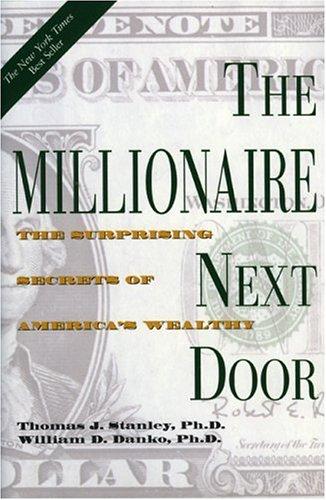
For anyone who confuses high income with wealth, or who feels behind because their lifestyle doesn't look like the we…
Buy on Amazon →
Anyone who earns enough to make discretionary spending choices but suspects their spending is not generating proporti…
Buy on Amazon →
Households in active consumer-debt distress who need a non-negotiable shared script. Not for investors already past B…
Buy on Amazon →About Joan N Feeney
Read more from Joan N Feeney and explore the full bibliography on ClearValue Books.
View Joan N Feeney's page →Get an email if our take on The road out of debt changes.
We re-review our picks. We'll email you if The road out of debt's ranking or review changes — no checking back.

Ready to read The road out of debt?
Buy the edition we recommend on Amazon.
Buy on Amazon →