

The smart spending guide for teens

Curated by Brian Kim, CPA — every pick gets a plain-English summary and the key takeaways.
Brian Kim, CPA · 2.89M YouTube Subscribers →What this book actually teaches
- 01The paycheck mechanics section covers FICA deductions, gross versus net pay, and first-job paperwork (W-4, I-9) at a level that explains why each exists — practical groundwork most teens encounter with their first paycheck and no guidance.
- 02The compound interest presentation uses simple arithmetic rather than formulas, preserving the core insight — that starting in the teen years produces materially more than the same habit started in the twenties — without losing readers in the math.
- 03The peer spending pressure section is more honest about teen social dynamics than most youth finance books: it names the mechanism by which teenagers spend more than intended to stay socially current, not just the fact that peer pressure exists.
- 04The minimum payment trap gets a specific arithmetic example showing how long a balance takes to pay off at minimum payments and what it costs in interest — the kind of concrete calculation that makes the abstract cost of credit card debt tangible.
- 05The 2010 publication date leaves the digital financial landscape — mobile banking, P2P payment apps, subscription spending, social media-driven purchasing — largely unaddressed; current supplementation is needed to cover the financial environment teens actually navigate.
What's in this book
The Smart Spending Guide for Teens by Elaine Landau, published in 2010, is a personal finance primer for teenagers covering the foundational concepts of earning, saving, spending, and avoiding the early financial mistakes that compound into long-term problems. Landau, a prolific author of young adult nonfiction with titles across science, history, and social issues, applies her characteristic approach — accessible writing pitched at a middle and high school reading level, with practical examples drawn from situations teenagers actually encounter — to a subject most teens receive no formal instruction on.
The earning section covers the mechanics teenagers encounter in first jobs: how paychecks work, what FICA deductions represent and why they appear, the difference between gross and net pay, and the basic mechanics of filing a tax return for part-time income. The treatment of minimum wage, hours restrictions for minors under the Fair Labor Standards Act, and the paperwork involved in starting a job (W-4 withholding form, I-9 verification) is practical without being bureaucratic — Landau explains why each form exists and what the teenager is agreeing to by filling it out.
The saving section introduces compound interest at a level appropriate for the audience: simple examples with actual arithmetic showing how a small monthly savings habit, started in the teen years, accumulates to materially more than the same savings habit started in the twenties. The presentation avoids the mathematical complexity that loses readers at this age while preserving the core insight — that time is the primary variable in compound growth, and that the opportunity cost of not starting early is larger than it appears. Bank account types (checking vs. savings, how interest rates work, what minimum balance requirements mean) get functional treatment.
The spending and budgeting section covers the basic mechanics of a simple budget: income, fixed expenses (phone plan contributions, bus pass), variable expenses (food, clothing, entertainment), and savings. The examples use amounts and categories teenagers actually encounter rather than adult household finance examples that fail to connect. The section on avoiding peer spending pressure — the mechanics by which teenagers end up spending more than they intended to stay socially current — is more honest about the social dynamics of teen spending than most youth finance books manage.
The debt and credit section introduces credit cards at a level appropriate for teens who are not yet cardholders but who will be soon: how interest accrues on unpaid balances, what the minimum payment trap costs over time (with a simple arithmetic example), and how credit scores are built and damaged in the early years of a credit history. The guidance on becoming an authorized user on a parent's account as a way to start building credit history is specific and current.
This is for teenagers — roughly ages 13-18 — and for parents or educators looking for an accessible, practical introduction to personal finance concepts that connects to situations teens actually face rather than adult financial planning scenarios.
The weaknesses are depth and the 2010 publication date. The book introduces concepts without going deep enough for teens who want more than a primer — the compound interest section, in particular, gives a correct intuition without the mathematical tools to evaluate specific savings scenarios. The digital financial landscape has changed significantly since 2010: mobile banking, peer-to-peer payment apps, debit card-linked spending, and the subscription economy are all absent from a book written before they were ubiquitous teen financial realities. Teen-targeted financial fraud and social media spending pressure are also not addressed in the ways they manifest now.
For a classroom introduction or a first personal finance read for a teenager starting a first job, The Smart Spending Guide for Teens covers the foundational concepts accurately and accessibly — with the expectation that the digital finance landscape will need supplementing from current sources.
Read next

For anyone whose financial education was "get a good job and save" — the book is most valuable for first-time readers…
Buy on Amazon →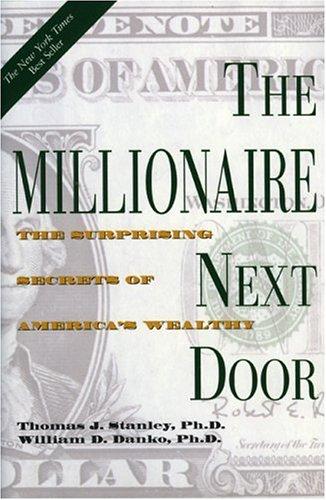
For anyone who confuses high income with wealth, or who feels behind because their lifestyle doesn't look like the we…
Buy on Amazon →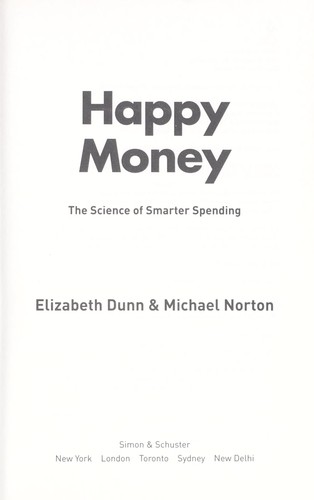
Anyone who earns enough to make discretionary spending choices but suspects their spending is not generating proporti…
Buy on Amazon →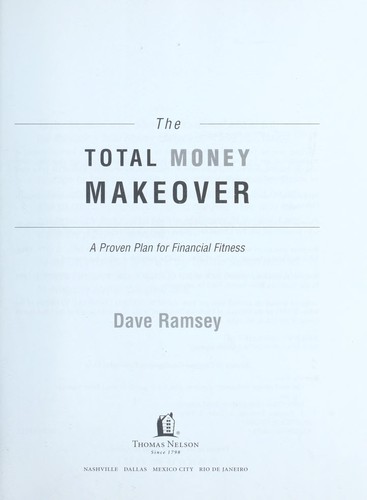
Households in active consumer-debt distress who need a non-negotiable shared script. Not for investors already past B…
Buy on Amazon →About Elaine Landau
Read more from Elaine Landau and explore the full bibliography on ClearValue Books.
View Elaine Landau's page →Get an email if our take on The smart spending guide for teens changes.
We re-review our picks. We'll email you if The smart spending guide for teens's ranking or review changes — no checking back.

Ready to read The smart spending guide for teens?
Buy the edition we recommend on Amazon.
Buy on Amazon →