

The student loan scam

Curated by Brian Kim, CPA — every pick gets a plain-English summary and the key takeaways.
Brian Kim, CPA · 2.89M YouTube Subscribers →What this book actually teaches
- 01Collinge's central argument is that the 1998 HEA reauthorization and 2005 BAPCPA stripped federal student loan borrowers of consumer protections available on every other form of consumer debt — no bankruptcy discharge, no statute of limitations, no refinancing at lower rates — as the result of deliberate industry lobbying rather than policy oversight.
- 02The collection fee mechanics are among the book's most specific claims: 25%+ collection fees applied to defaulted balances before any principal reduction, combined with government loan guarantees that eliminated servicer downside risk, created a structural incentive to profit from borrower distress.
- 03The book is a prosecution brief, not a balanced analysis — counterarguments about why educational debt lacks collateral and why income-contingent repayment provides hardship relief are not seriously engaged, which readers should factor into how they weight the advocacy framing.
- 04The 2009 publication date predates the FFEL program elimination in 2010, significant income-driven repayment expansion, CFPB enforcement actions against servicers beginning in 2014, and the PSLF program's actual forgiveness cohorts — the political history is accurate but current repayment options require verification from studentaid.gov.
- 05For borrowers in default or rehabilitation who want to understand why their balance grew far beyond what they borrowed, the fee structure chapters explain the mechanics in enough detail to make sense of a servicer statement — which most borrowers in that situation cannot do without this kind of explanation.
What's in this book
The Student Loan Scam by Alan Collinge, published in 2009, is an advocacy-driven account of how the federal student loan system evolved from a tool of educational access into what Collinge argues is a predatory debt system that extracts wealth from borrowers through interest accrual, fee structures, and the systematic removal of consumer protections available to every other form of consumer debt. Collinge, who founded StudentLoanJustice.org after his own federal student loans ballooned far beyond what he borrowed, argues that the student loan industry — both the government-backed loan program and the private lenders who operated alongside it — was shaped by lobbying that benefited loan servicers and collectors at the direct expense of borrowers.
The book's central factual argument is that the 1998 Higher Education Act reauthorization and the 2005 Bankruptcy Abuse Prevention and Consumer Protection Act (BAPCPA) systematically stripped federal student loan borrowers of protections that other consumer debt carries. Unlike credit card debt, auto loans, or virtually any other consumer obligation, federal student loans (as of the book's publication) could not be discharged in bankruptcy except through the extremely narrow "undue hardship" standard, could not be subject to statutes of limitations, and could not be refinanced at lower rates when market rates fell. Collinge's argument is that this legal framework was not an oversight but the result of deliberate lobbying by the student loan industry — specifically Sallie Mae and the collection companies that profited from delinquent and defaulted borrowers.
The fee structure chapters are among the book's most specific and empirically grounded. Collinge documents how collection fees are applied to defaulted student loans — fees of 25% or more of outstanding principal, applied before any collections proceeds reduce the balance — and how the government guarantee structure meant that Sallie Mae and private lenders faced no downside risk on defaulted loans while continuing to profit from collection fees. He shows how a borrower who defaults and then rehabilitates a loan can end up owing significantly more than the original principal, with the excess going to collection companies as a structural feature of the system rather than as an edge case.
The chapter on the Public Service Loan Forgiveness program — newly created in 2007, two years before the book's publication — is necessarily thin on implementation detail since the program had just been authorized and no loans had been forgiven yet. Collinge's treatment of income-contingent repayment options is more developed but reflects the limited options available in 2009 before the income-driven repayment landscape expanded significantly under the Obama and Biden administrations.
This is for student loan borrowers — particularly those with federal loans who are in repayment difficulty, default, or rehabilitation — and for policy-engaged readers interested in the political economy of higher education finance.
The weaknesses are advocacy register and currency. The book does not present a balanced analysis of the student loan system; it is a prosecution brief. Counterarguments — that the removal of bankruptcy discharge reflects the lack of collateral behind educational investment, that income-contingent repayment provides a form of hardship relief — are not engaged with seriously. The 2009 publication date predates substantial changes to the student loan landscape: the elimination of the FFEL program (government-guaranteed private loans) in 2010, the significant expansion of income-driven repayment options, the PSLF program's first actual forgiveness cohorts in 2017 (and the subsequent failures), and the Biden-era forgiveness actions and their legal challenges. The specific servicer and collector practices Collinge documents were targeted by CFPB enforcement actions beginning in 2014, which reduced though did not eliminate the abuses he describes.
For borrowers navigating federal student loan debt who want to understand why the system is structured the way it is and what protections they lack that other consumer debtors have, The Student Loan Scam provides a clear account of the political history — even if specific repayment options and servicer practices require current verification from the Department of Education's studentaid.gov rather than from this 2009 source.
Read next

For anyone whose financial education was "get a good job and save" — the book is most valuable for first-time readers…
Buy on Amazon →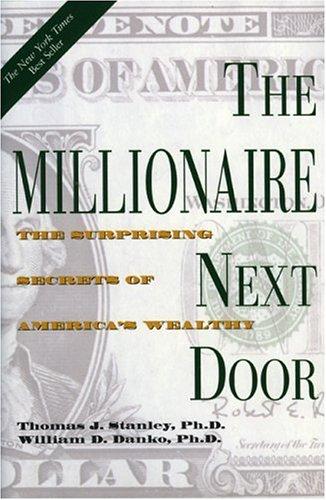
For anyone who confuses high income with wealth, or who feels behind because their lifestyle doesn't look like the we…
Buy on Amazon →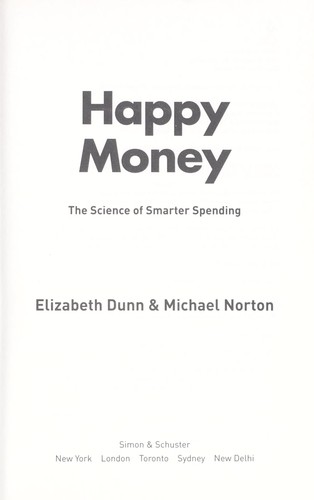
Anyone who earns enough to make discretionary spending choices but suspects their spending is not generating proporti…
Buy on Amazon →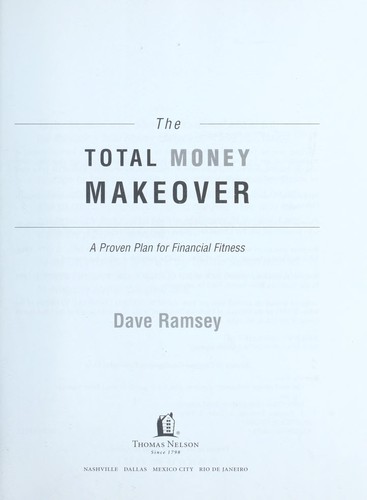
Households in active consumer-debt distress who need a non-negotiable shared script. Not for investors already past B…
Buy on Amazon →About Alan Collinge
Read more from Alan Collinge and explore the full bibliography on ClearValue Books.
View Alan Collinge's page →Get an email if our take on The student loan scam changes.
We re-review our picks. We'll email you if The student loan scam's ranking or review changes — no checking back.
Across the site
Featured in lists
Recommended in answers

Ready to read The student loan scam?
Buy the edition we recommend on Amazon.
Buy on Amazon →