

The thin green line

Curated by Brian Kim, CPA — every pick gets a plain-English summary and the key takeaways.
Brian Kim, CPA · 2.89M YouTube Subscribers →What this book actually teaches
- 01The distinction between rich and wealthy is behavioral, not mathematical: rich describes high income with high consumption; wealthy describes a durable relationship with money defined by clarity of purpose and asset accumulation over spending.
- 02Genuinely wealthy families work with fiduciary advisors — legally required to act in the client's interest — not commission-based brokers who operate under a lower suitability standard.
- 03Social comparison is the primary driver of wealth destruction among high earners: benchmarking lifestyle against visible peer consumption rather than personal financial goals is the behavioral pattern that separates the financially fragile from the durably wealthy.
- 04Families that sustain wealth across generations typically establish formal governance structures — family constitutions, family offices, inheritance agreements — to prevent inheritance from destroying family cohesion.
- 05The wealthy make financial decisions slowly and pay for professional advice rather than treating financial planning as a DIY project — the deliberate pace is a feature, not a drag.
What's in this book
The Thin Green Line: The Money Secrets of the Super Wealthy by Paul Sullivan is built on an unusual premise: Sullivan, a wealth reporter for The New York Times, spent years covering the genuinely wealthy — not the aspirationally wealthy — and found that their relationship with money was almost nothing like what popular financial mythology suggested. The book's central argument is that the behaviors that create and sustain wealth across generations are mostly psychological, not mathematical, and that the financial service industry profits from keeping that distinction obscured.
Sullivan's core framework is the distinction between the rich and the wealthy. Rich, in his framing, describes people with high incomes and visible consumption — large houses, luxury cars, private school tuition — who are nonetheless financially fragile because their spending matches or exceeds their income. Wealthy describes something more durable: a relationship with money defined by clarity about what money is for, the capacity to ignore social pressure to spend, and a structural preference for assets over consumption. The thin green line of the title is the behavioral line that separates these two groups, and Sullivan argues it is crossed or not crossed mostly through decisions that look small but compound over time.
The book is structured around interviews with ultra-high-net-worth individuals, financial advisors to that population, and behavioral economists who study wealth concentration. Sullivan is a journalist, not a financial planner, and the book reads accordingly — anecdote-driven and character-rich rather than framework-heavy. The wealthy individuals he profiles are consistent in several ways: they are not conspicuous consumers, they are deeply focused on asset protection and tax efficiency rather than return maximization, they make financial decisions slowly, and they pay for professional advice rather than treating financial planning as a DIY project.
The chapters on financial advisors and family offices are the most distinctive material in the book. Sullivan documents how families that sustain wealth across generations almost universally work with professional fiduciaries rather than commission-based advisors, how they structure governance agreements to prevent inheritance from destroying family cohesion, and how the ultra-wealthy think about philanthropy as a financial planning tool rather than purely a charitable act. The distinction between a fiduciary advisor (legally required to act in the client's interest) and a suitability-standard broker (only required not to recommend something unsuitable) is explained more clearly here than in most books that touch the topic.
The behavioral chapters draw on research into decision-making under financial stress and the cognitive distortions that most retail investors carry into financial planning. Sullivan is particularly effective on the social comparison problem — the tendency to benchmark lifestyle against visible peer consumption rather than against personal financial goals — and on how the genuinely wealthy systematically ignore peer benchmarking as a decision framework.
Who this is for: readers with professional incomes who feel financially stressed despite earning well, and who want to understand what behavioral and structural differences distinguish people who sustain wealth from people who earn well but remain financially fragile. Also useful for anyone evaluating whether their current financial advisor relationship is structured to serve their interests.
Weaknesses
the book is primarily observational and journalistic rather than prescriptive. Sullivan documents what the wealthy do but is less systematic about translating those observations into specific actions for readers at lower wealth levels. The ultra-high-net-worth context — family offices, estate planning at the eight-figure level — makes some material more relevant as aspiration than as practical guidance. The interview-heavy format means the advice is embedded in narrative rather than organized as an actionable framework, which reduces its utility as a reference.
Verdict
a well-reported journalistic account of the behavioral habits that separate durable wealth from high income — most valuable for reframing how readers think about money's purpose rather than for specific financial planning instruction.
Read next

For anyone whose financial education was "get a good job and save" — the book is most valuable for first-time readers…
Buy on Amazon →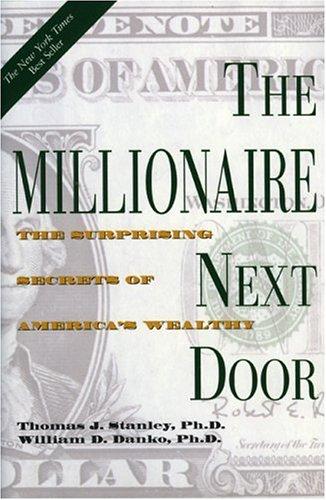
For anyone who confuses high income with wealth, or who feels behind because their lifestyle doesn't look like the we…
Buy on Amazon →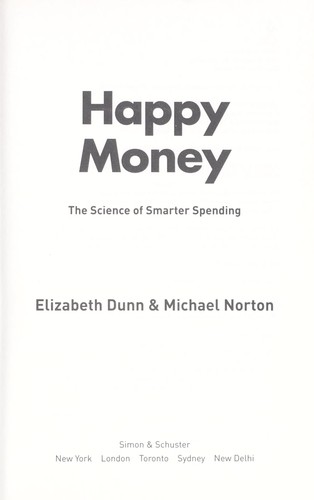
Anyone who earns enough to make discretionary spending choices but suspects their spending is not generating proporti…
Buy on Amazon →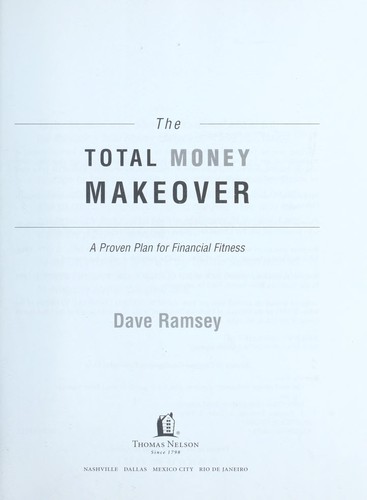
Households in active consumer-debt distress who need a non-negotiable shared script. Not for investors already past B…
Buy on Amazon →About Paul Sullivan
Read more from Paul Sullivan and explore the full bibliography on ClearValue Books.
View Paul Sullivan's page →Get an email if our take on The thin green line changes.
We re-review our picks. We'll email you if The thin green line's ranking or review changes — no checking back.

Ready to read The thin green line?
Buy the edition we recommend on Amazon.
Buy on Amazon →