

The thrift book

Curated by Brian Kim, CPA — every pick gets a plain-English summary and the key takeaways.
Brian Kim, CPA · 2.89M YouTube Subscribers →What this book actually teaches
- 01The book's core argument is that consumer culture creates a false equation between spending and quality of life, and that deliberately spending less — through frugality as a practiced skill, not as deprivation — is both achievable and often more satisfying than reflexive consumption.
- 02Coverage is organized by spending category (food, clothing, beauty, household, entertainment, gifts) with specific actionable ideas in each — secondhand buying, batch cooking, repair over replacement, market sourcing — rather than abstract budgeting principles.
- 03Knight's voice is the defining asset: practical and direct without being preachy or hair-shirt, pitched as advice from a friend who has genuinely worked through these decisions rather than a self-improvement lecture.
- 04The community reciprocity chapter makes an underappreciated argument: skills swapping, borrowing arrangements, and neighborhood exchange reduce costs in ways formal financial planning doesn't capture, while building social infrastructure with compounding returns.
- 05The book does not cover structural financial decisions — debt management, savings vehicles, pension contributions, investment — making it insufficient for readers whose challenge is income below fixed obligations rather than discretionary overspending.
What's in this book
The Thrift Book (2008) by India Knight, a columnist for The Sunday Times and bestselling British author, is a practical guide to spending less without feeling deprived, published in direct response to the 2008 financial crisis. Knight's central argument is that consumer culture has trained people to equate spending with quality of life, and that this equation is false — that living well on meaningfully less is achievable, enjoyable, and in many respects more satisfying than reflexive consumption. The book is not a budgeting manual or a personal finance guide in the conventional sense. It does not cover investment accounts, debt payoff strategies, or retirement planning. It is a guide to everyday frugality as a practiced skill and a mindset shift.
The book is organized by spending category: food, clothing, beauty and personal care, household, entertainment, and gifts. In each category Knight provides specific, actionable ideas for cutting costs without sacrificing the quality that makes the category meaningful. The food chapters cover home cooking from scratch, batch cooking, buying cheaper cuts and less fashionable ingredients, and using markets and discount retailers effectively. The clothing chapters address secondhand buying — charity shops, eBay, and clothes swaps — as an alternative to fast fashion, with particular attention to the quality differential between well-made older clothes and inexpensive new ones. The household chapters cover energy use, home maintenance, and the economics of repair versus replacement.
Knight's voice is the book's defining asset. She is practical without being preachy, direct without being austere. The tone is that of a friend who has genuinely thought through these decisions and is sharing what works — not a self-improvement sermon or a financial hardship survival guide. This matters because the emotional register of advice about spending less is easily pitched wrong: too hair-shirt and readers disengage, too breezy and the specifics are missing. Knight navigates this balance better than most personal finance communicators.
The community and reciprocity chapter is underrepresented in the genre and makes a specific argument: skills swapping, borrowing arrangements, communal purchasing, and neighborhood exchange reduce costs in ways that formal financial planning does not capture, and they build social infrastructure with compounding returns. This echoes arguments from the resilience economics literature without engaging it formally.
The weaknesses are several. The book is very UK-specific — prices, retailers, regulatory context, and cultural references are all British, which limits direct applicability for non-UK readers. The 2008 publication date means some retail and price references are dated. More significantly, the book does not cover structural financial decisions: debt management, savings vehicles, pension contributions, or investment. Readers whose primary challenge is structural (income below fixed obligations) rather than behavioral (spending in excess of what is necessary) will find the book's advice insufficient for their situation. The scope is deliberately limited to discretionary and lifestyle spending.
For readers whose spending is a behavioral and lifestyle issue rather than a structural income-versus-fixed-obligations problem — and who want a specific, non-preachy guide to spending less while maintaining quality of life — The Thrift Book delivers on its promise.
Read next

For anyone whose financial education was "get a good job and save" — the book is most valuable for first-time readers…
Buy on Amazon →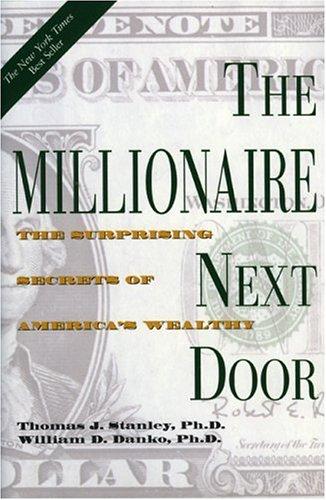
For anyone who confuses high income with wealth, or who feels behind because their lifestyle doesn't look like the we…
Buy on Amazon →
Anyone who earns enough to make discretionary spending choices but suspects their spending is not generating proporti…
Buy on Amazon →
Households in active consumer-debt distress who need a non-negotiable shared script. Not for investors already past B…
Buy on Amazon →About India Knight
Read more from India Knight and explore the full bibliography on ClearValue Books.
View India Knight's page →Get an email if our take on The thrift book changes.
We re-review our picks. We'll email you if The thrift book's ranking or review changes — no checking back.
