

Worth it

Curated by Brian Kim, CPA — every pick gets a plain-English summary and the key takeaways.
Brian Kim, CPA · 2.89M YouTube Subscribers →What this book actually teaches
- 01Steinberg's central argument is that financial advice aimed at women is dominated by frugality framing, which is psychologically counterproductive — building wealth requires shifting from a scarcity mindset to an abundance and compounding mindset before the tactical changes will stick.
- 02The book addresses the gender wealth gap's structural components — pay gaps, career interruptions, longer life expectancy — and connects specific planning decisions (higher savings rates, earlier investing) to those structural realities rather than treating them as background noise.
- 03The compound growth chapters are more mathematically specific than the self-help framing suggests: Steinberg makes a clear case for why starting early matters more than investing large amounts, with illustrative math rather than just assertions.
- 04The book is calibrated for women with adequate incomes who are not yet saving or investing at meaningful rates; the psychological reframing is less directly applicable to readers whose financial challenges are primarily structural — debt, low wages, or caregiving costs that precede income-building.
- 05Worth It functions best as an entry point into personal finance and investing rather than a comprehensive reference; readers ready for specific portfolio construction or tax optimization strategies will need to go elsewhere after finishing it.
What's in this book
Worth It (2015) by Amanda Steinberg — founder of DailyWorth, a financial media company aimed at women — is a personal finance guide built around a single organizing argument: most financial advice aimed at women focuses on frugality and spending restriction, and that framing is both psychologically counterproductive and financially incomplete. Steinberg's core claim is that women's relationship with money is complicated primarily by a cultural story that conflates financial worth with personal worth, and that the first step to building actual wealth is untangling those two things.
The book's opening chapters address what Steinberg calls the "worthy woman" trap — the pattern where women with high incomes continue to feel financially anxious and underserved because their financial behavior is organized around guilt and scarcity rather than abundance and compounding. This framing is psychological before it is mathematical, which is both the book's strength and its limiting factor. Steinberg is persuasive about the emotional register in which many women experience financial decision-making; whether that register is universal to women or characteristic of a particular demographic slice is a question the book does not fully examine.
The tactical content covers savings rates, investment basics, retirement account structures, and insurance. Steinberg is clearer and more direct than many personal finance writers on the math of compounding — her treatment of why investing early matters more than investing large amounts is specific rather than generic — and she addresses the gender wealth gap's structural components (pay gaps, career interruptions, longer life expectancy) in a way that connects real financial planning decisions to underlying structural realities. The chapters on negotiation and income growth are more practically grounded than the personal-transformation framing that opens the book might suggest.
The weaknesses are primarily about depth and audience range. Worth It is calibrated for women who are already earning reasonable incomes but are not yet investing or saving at meaningful rates — the psychological framing works best for readers who genuinely feel stuck despite adequate income, and is less relevant for readers whose financial challenges are primarily structural (low wages, caregiving costs, debt loads that precede income-building). The investment advice is introductory rather than comprehensive; readers looking for specific portfolio construction guidance or tax optimization strategies will need additional resources. The self-help framing occasionally overtakes the financial analysis, and some chapters veer toward affirmation over instruction.
For women who have been reluctant to engage seriously with investing and wealth-building and want a book that starts with the psychological barriers before moving to the practical mechanics, Worth It provides a useful on-ramp. It works best as an entry point rather than a complete reference.
Read next

For anyone whose financial education was "get a good job and save" — the book is most valuable for first-time readers…
Buy on Amazon →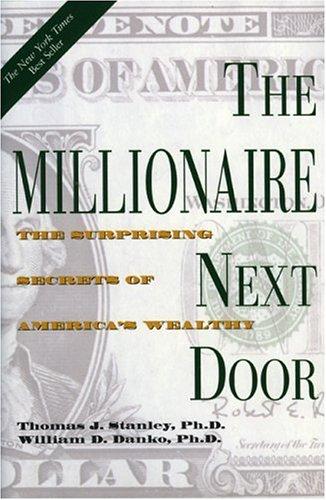
For anyone who confuses high income with wealth, or who feels behind because their lifestyle doesn't look like the we…
Buy on Amazon →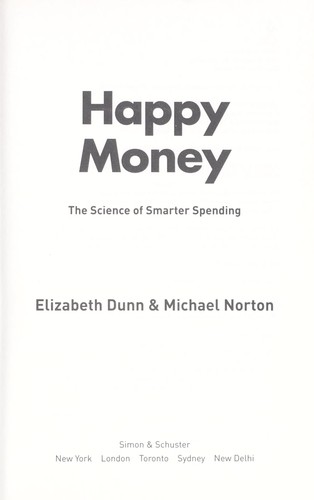
Anyone who earns enough to make discretionary spending choices but suspects their spending is not generating proporti…
Buy on Amazon →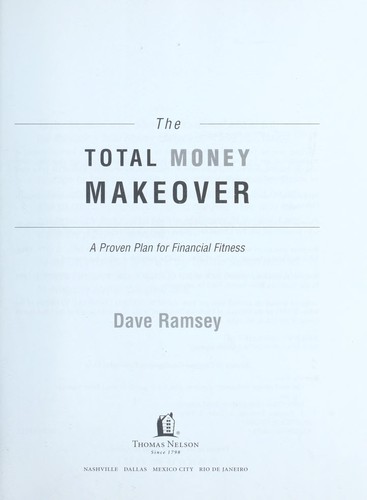
Households in active consumer-debt distress who need a non-negotiable shared script. Not for investors already past B…
Buy on Amazon →About Amanda Steinberg
Read more from Amanda Steinberg and explore the full bibliography on ClearValue Books.
View Amanda Steinberg's page →Get an email if our take on Worth it changes.
We re-review our picks. We'll email you if Worth it's ranking or review changes — no checking back.
