

Your score

Curated by Brian Kim, CPA — every pick gets a plain-English summary and the key takeaways.
Brian Kim, CPA · 2.89M YouTube Subscribers →What this book actually teaches
- 01Credit utilization below 10% on each individual card — not just below 30% in aggregate — produces meaningfully better FICO scores, a threshold effect that most general personal finance advice misses.
- 02The authorized user strategy can transfer years of positive credit history to a thin-file or damaged-credit family member without new debt, but the primary cardholder's utilization is affected if the authorized user carries balances.
- 03The Fair Credit Reporting Act gives consumers real leverage in the dispute process: bureaus have 30 days to investigate, and inaccurate information that is not corrected within the statutory window must be removed — a process consumers can execute themselves without paying a credit repair company.
- 04A credit freeze at all three major bureaus is the most underutilized consumer protection available: it prevents new account opening in your name and should be the default posture for anyone not actively applying for credit.
- 05Payment history (35%) and amounts owed (30%) together account for 65% of a FICO score — maintaining on-time payments and managing utilization on existing accounts produces more score improvement than opening new accounts or closing old ones.
What's in this book
Your Score: An Insider's Secrets to Understanding, Controlling, and Protecting Your Credit Score by Anthony Davenport, published in 2018, is written from an unusual vantage point. Davenport is a credit consultant who has spent his career working with high-net-worth individuals and celebrities to repair and manage credit — clients who could not afford to have financial problems slow down a business deal or a major asset purchase. The book's thesis is that most Americans treat their credit score as a mysterious, largely uncontrollable number that happens to them, rather than as a financial metric that can be systematically understood, built, and protected.
Davenport begins with the mechanics of FICO scoring, the model used by the majority of lenders. The five factors — payment history (35%), amounts owed (30%), length of credit history (15%), new credit (10%), and credit mix (10%) — are familiar territory in personal finance, but Davenport's contribution is the specificity with which he explains how each factor is calculated in practice and where common misunderstandings create unnecessary score damage. The amounts-owed factor, for example, is not simply about total debt but about credit utilization — the ratio of current balances to available credit limits — and the threshold effects at different utilization levels (below 30% is commonly cited, but Davenport argues that below 10% on each card, not just in aggregate, produces meaningfully better scores).
The authorized user strategy is one of the book's most practical tactical discussions. Adding a family member with thin or damaged credit as an authorized user on a long-standing, well-managed account transfers that account's positive history to the authorized user's report, which can produce a significant score increase without any new debt. Davenport is specific about the conditions under which this strategy works and the risks it carries, including the impact on the primary cardholder's utilization if the authorized user runs up balances.
The dispute process chapters are among the most practically useful in the book. Davenport explains the Fair Credit Reporting Act's dispute framework in detail: the 30-day investigation window, the obligation of the credit bureau to contact the furnishing lender, and the leverage consumers have if inaccurate information is not corrected within the statutory period. He is direct that the dispute process is more powerful than most consumers realize but is also frequently misrepresented by credit repair companies that charge fees for work consumers can do themselves.
The sections on identity theft and credit monitoring address the specific mechanisms through which credit damage occurs — fraudulent accounts, account takeover, synthetic identity fraud — and provide concrete guidance on credit freezes at all three major bureaus as a preventive measure. Davenport argues that a credit freeze is the most underutilized consumer protection available and should be the default posture for anyone not actively applying for new credit.
Who this is for: adults who want to understand how their credit score is calculated and take active control of it — particularly those who have experienced score damage, are preparing for a major credit application such as a mortgage, or are helping a family member build credit from a thin file.
Weaknesses
the book's high-net-worth client context occasionally creates an instructional asymmetry — some of the strategies Davenport describes are most tractable for people who already have some credit infrastructure in place. The 2018 publication date means some specifics, particularly around credit monitoring services and the VantageScore vs. FICO landscape, may have shifted. The book is prescriptive rather than explanatory in several sections, stating the optimal action without fully detailing the underlying mechanism, which limits its utility for readers who want to understand the scoring system well enough to adapt advice to their own situation.
Verdict
a practical and credibly sourced guide to understanding and actively managing a credit score — strongest on the specific mechanics of utilization, authorized users, and the dispute process, where Davenport's practitioner experience is most evident.
Read next

For anyone whose financial education was "get a good job and save" — the book is most valuable for first-time readers…
Buy on Amazon →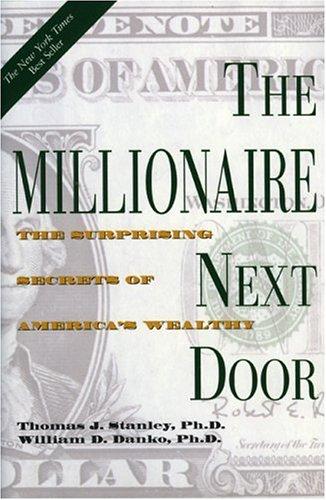
For anyone who confuses high income with wealth, or who feels behind because their lifestyle doesn't look like the we…
Buy on Amazon →
Anyone who earns enough to make discretionary spending choices but suspects their spending is not generating proporti…
Buy on Amazon →
Households in active consumer-debt distress who need a non-negotiable shared script. Not for investors already past B…
Buy on Amazon →About Anthony Davenport
Read more from Anthony Davenport and explore the full bibliography on ClearValue Books.
View Anthony Davenport's page →Get an email if our take on Your score changes.
We re-review our picks. We'll email you if Your score's ranking or review changes — no checking back.
