
How to Build a 50-Book Investing Syllabus from Scratch.
The actual lanes, the actual order, and the books that earn a spot
Books in this guide.


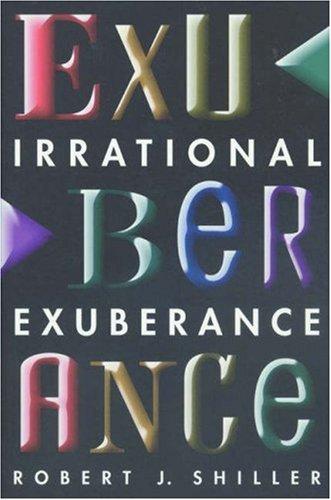
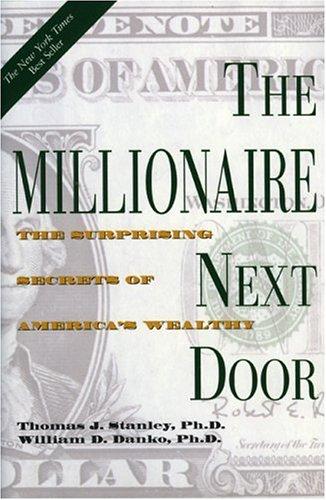


A 50-book investing syllabus is roughly a four-year project at one book a month. That sounds slow until you realize most professional investors haven't read 50 finance books carefully in their lives. Done with notes and discipline, a serious syllabus puts you in the top decile of allocators of capital — not because of the books, but because of what the discipline of finishing them does to your thinking.
The mistake most readers make is treating "50 books" as a list to collect. The right way to treat it is as a sequence — a curriculum where each book unlocks the next.
Here's how to actually build one.
Step 1: pick your lanes
Investing isn't one subject. It's roughly six: foundations, behavioral finance, value investing, indexing and academic finance, markets and history, and applied (real estate, crypto, business ownership). A real 50-book syllabus has weight in each lane.
Suggested rough weighting:
- Foundations: 6 books - Behavioral finance: 8 books - Value investing: 10 books - Indexing / academic: 8 books - Markets and history: 10 books - Applied (real estate, crypto, ownership): 8 books
You don't need to fill all 50 slots before you start. You need to fill the first 10.
Step 2: anchor with the canon you already know exists
The canonical 10 to start with — books that almost every serious syllabus includes:
1. The Psychology of Money — Morgan Housel (behavioral foundations) 2. The Intelligent Investor — Benjamin Graham (value foundations) 3. The Elements of Investing — Malkiel & Ellis (indexing foundations) 4. One Up on Wall Street — Peter Lynch (applied stock-picking) 5. Margin of Safety — Seth Klarman (value, advanced) 6. Irrational Exuberance — Robert Shiller (history of bubbles) 7. The Millionaire Next Door — Stanley (behavior of actual wealthy) 8. The Next Millionaire Next Door — Stanley & Fallaw (updated data) 9. Why Smart People Make Big Money Mistakes — Belsky & Gilovich (behavioral survey) 10. The Simple Path to Wealth — JL Collins (indexing tactics)
That's the first year. After this, you've installed the vocabulary, frameworks, and pattern recognition that the rest of the syllabus builds on.
Step 3: add applied books from your real life
The next 10 should be applied to your actual situation. If you own a home or want to, The Automatic Millionaire Homeowner. If crypto is allocation question for you, Digital Gold. If you run or want to run a business, the business-ownership lane opens here.
The point of this layer is to convert frameworks into decisions. The first 10 taught you to think like an investor. The next 10 teach you to act like one in your specific life.
Step 4: add history
Markets-and-history books are the lane most modern investors skip and most great investors swear by. After foundations, allocate 8-10 slots to financial history: bubbles, crashes, currency crises, the evolution of indexing, the rise of central banking. Irrational Exuberance is a starting point here; the full lane is well beyond it.
History does for an investor what case law does for a lawyer. You don't need to memorize every case. You need enough of them in your head that nothing happening in the present feels truly unprecedented. The investor who has read 10 financial-history books is structurally harder to scare than the one who hasn't.
Step 5: deepen one specialization
Around book 30, you'll know which lane pulls you. For some readers it's value investing — at which point the syllabus deepens with more Klarman, more Graham, the Buffett shareholder letters, Howard Marks. For others it's indexing and academic finance — at which point Bogle, Fama-French, and the body of research on factor investing comes in.
The last 20 books of a serious syllabus should be 60% in your specialization and 40% spread across the other lanes for breadth. Specialization is what compounds. Breadth is what protects you from the specialization's blind spots.
Order matters more than list
A reader who opens The Intelligent Investor as book #1 is far more likely to stall out — it's dense, dated in its examples, and assumes a baseline of market vocabulary a new reader doesn't have yet. The same reader picking it up as book #5, after The Psychology of Money and The Elements of Investing, has already built the vocabulary and patience the book demands. Same book. Different reader.
The right order is roughly: behavioral and foundational first, applied second, history third, specialization fourth. Each layer makes the next layer readable.
Pace and review
One book a month is the right pace for a working professional. Faster than that and the notes fall behind. Slower and the syllabus loses momentum. At one a month, 50 books is just over four years. That's a real curriculum, not a sprint.
Every six months, re-read your one-page summaries from the previous six books before starting the next one. The syllabus compounds because you keep referring back to the earlier layers when reading the later ones.
What done looks like
50 books, four years, one notebook of one-page summaries, one list of use cases per book, one master index. That's the asset. The books themselves are inputs. What you've built is the ability to read the next book on the shelf — or the next memo from Howard Marks, or the next 10-K from a company you're considering — with the foundation that most market participants don't have.
The syllabus isn't really 50 books. It's the reader you become while reading them.
Common questions.
Is 50 books actually necessary?
No. 15 books read carefully puts you ahead of most retail investors. 50 books is for the reader who wants to operate at the level of a serious allocator. Pick the right number for your goal — but be honest about which you're after.
Should I read in the suggested order strictly?
Roughly, yes. The first 10 in the listed order is a real recommendation. After that, lane order is flexible based on which decisions you're actively facing.
Can I substitute books I already own?
Yes, as long as the lane is covered. The point of the syllabus is balanced exposure across foundations, behavior, value, indexing, history, and applied. If a book you already own covers a lane competently, count it.