
How to Build a 50-Book Personal Finance Reading List from Scratch.
A sequencing plan that covers foundations, investing, behavior, and specialization without burning out
Books in this guide.






Fifty finance books sounds like a lot. At 10 books a year — a realistic pace for a working adult — that's five years of reading. The right list isn't 50 bestsellers stacked randomly. It's a sequence that teaches foundations first, then investing, then behavior, then specialization.
Here's how to structure one.
Phase 1: Foundations (books 1-8)
The first eight books exist to lock in the basic math and habits. If you're already debt-free and investing in index funds, you can move through this phase fast or skip parts of it. If you're not, this is the most important phase.
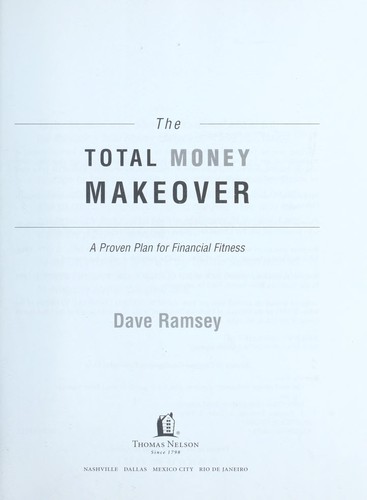
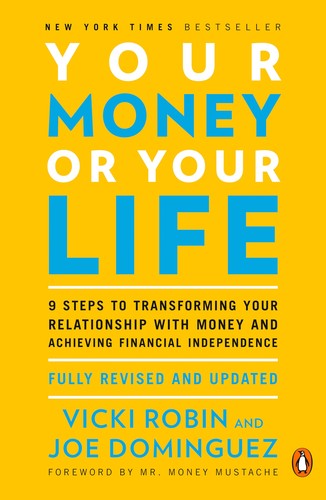
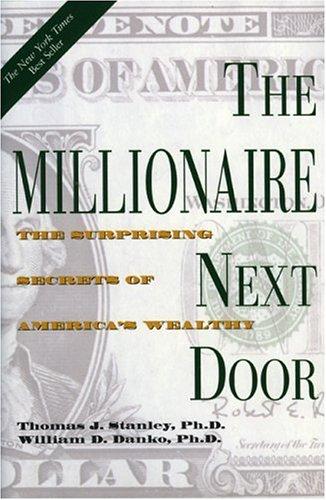
Anchor titles: The Total Money Makeover (debt mechanics and momentum), The Simple Path to Wealth (the index-fund case made plainly), Your Money or Your Life (philosophy of spending), Rich Dad Poor Dad (assets vs. liabilities — read critically, but read it), The Millionaire Next Door (what wealth actually looks like).
Add two or three behavioral basics: The Automatic Millionaire Homeowner if housing is in your near future, The Psychology of Money for behavior framing.
By book eight, you should be debt-free or on a clear path, contributing to retirement accounts, and reading without confusion when investing comes up.
Phase 2: Investing (books 9-20)
Now go deeper on how markets and securities actually work.
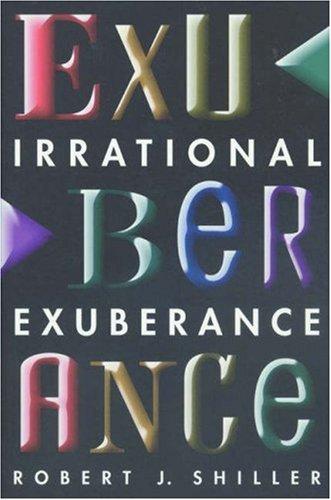
The Elements of Investing is the short, clear introduction. The Intelligent Investor is the foundational text — Graham's chapters 8 (Mr. Market) and 20 (margin of safety) are required reading even if you skim others. One Up on Wall Street teaches you how Peter Lynch actually thought about picking stocks, which is useful even if you decide not to pick stocks. Margin of Safety (Klarman, if you can find a copy) teaches the institutional version of risk-first thinking. Irrational Exuberance teaches you what a bubble looks like from the inside.
Add a few practitioner books in this phase: a Bogle book on index funds, a Buffett shareholder-letter collection, and something on bonds.
By book twenty, you should be able to read a 10-K without panic and have a clear opinion on active-vs-passive that you can defend with reasons.
Phase 3: Behavior and decision-making (books 21-30)
The hard part of investing isn't picking — it's not selling at the bottom. This phase is about why smart people make bad decisions and how to design around it.
The Psychology of Money (re-read it here with new eyes). Why Smart People Make Big Money Mistakes. Thinking Fast and Slow (Kahneman — not strictly a finance book, but the foundation). Misbehaving (Thaler). Influence (Cialdini — for understanding how you're being sold to).
By book thirty, you should be able to spot your own biases mid-decision. You won't always overcome them, but you'll notice them, which is the prerequisite.
Phase 4: Specialization (books 31-50)
The last twenty books are where you go deep on the parts of personal finance that actually matter to your life.
If you own or want to own a business: business books, accounting basics, the E-Myth, books on operations and pricing.
If real estate is your path: The Automatic Millionaire Homeowner first, then practitioner books on rentals, financing, and tax strategy.
If you want to understand crypto: Digital Gold for the Bitcoin history, then primary sources. Skip the hype books.
If retirement is near: books on Social Security, Roth conversions, sequence-of-returns risk, and longevity planning.
If you're a high earner with complexity: tax planning, estate planning, and a serious book on insurance.
How to actually sequence it
Don't read all eight foundations before any investing. Mix phases as you go — read two foundations, then an investing book, then a behavior book, then back to foundations. The variety keeps you from burning out, and the cross-references between books actually reinforce learning better than reading by silo.
What you'll have at the end
Fifty books is roughly the working library of a competent personal-finance generalist. You'll know more than 99% of people, have specific frameworks for the decisions you face, and — most importantly — you'll have read enough to know what you don't know. That last part is what separates a good amateur from someone who blows up their portfolio.
Common questions.
Is 50 books overkill?
For most people, yes — you could get 80% of the value from 12 books. But if you want to be the person in your circle who actually understands money instead of just having opinions about it, 50 books over five years is a reasonable target.
What if I'm already past foundations?
Skip phase 1 or pick one or two titles to confirm you're not missing anything. Start at phase 2 (investing). Most readers who think they're past foundations are weaker on behavior than they realize — don't skip phase 3.
Should the books be old or new?
Mix. Old books (Graham, Lynch, Stanley) survived because they were right about durable things. New books update the frameworks for current markets. Avoid books that are purely about a current moment — they age badly.