
The Order to Read the Classic Personal-Finance Books.
Why starting with Graham burns out most beginners — and the correct sequence
Books in this guide.




Most beginners pick a famous finance book — usually The Intelligent Investor because Buffett endorsed it — read 40 pages, get crushed by the analytical density, and quit. The book wasn't wrong. The order was.
Finance books have a steep level curve. The right sequence builds vocabulary, then mindset, then analytical chops, then advanced framework. The wrong sequence — jumping into Graham first — is like opening a calculus textbook before learning algebra.
Here's the sequence we recommend at ClearValue Books, refined from watching what actually works for clients.
Stage 1: Mindset reset (1-2 books, 4-6 weeks)
Rich Dad Poor Dad — Robert Kiyosaki. Start here even though it has weaknesses. The assets-vs-liabilities frame is the most-important conceptual reset a beginner needs. Read for the mindset, not the technical advice.
The Psychology of Money — Morgan Housel. Short essays, accessible language, behavioral focus. This is where most beginners actually fall in love with finance reading. Read second so the mindset reset from Kiyosaki has time to settle.
Stage 2: Real-world wealth pattern (1 book, 3-4 weeks)
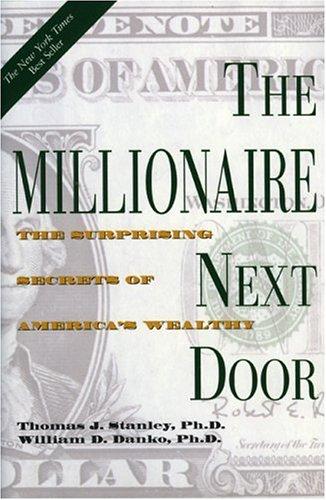
The Millionaire Next Door — Thomas Stanley. The research-driven counterpoint to everything you see on social media about wealth. Replaces the picture in your head of what 'rich' looks like.
Stage 3: Investment philosophy (2-3 books, 8-12 weeks)
The Little Book of Common Sense Investing — John Bogle. The case for index funds in plain English. Read this BEFORE you try to pick stocks.
One Up On Wall Street — Peter Lynch. The accessible introduction to stock picking. Read after Bogle so you understand WHY most people shouldn't try this.
Stage 4: Analytical depth (the big one)
The Intelligent Investor — Benjamin Graham. NOW you're ready. Graham presumes you understand markets, value, mindset, and basic financial-statement reading. After the first three stages, you do. Read with the Jason Zweig commentary; treat it as a 6-month project, not a 6-week one.
What this sequence accomplishes
Most people who try to read these classics fail not because the books are bad but because they're stacked in the wrong cognitive order. This sequence ladders difficulty: each book makes the next one make sense. By the time you reach Graham, you have the vocabulary, the patience, and the mental model to actually absorb him.
Total commitment: 7-8 books over 6-9 months. That's a fully-formed investing mind, built one book at a time.
Common questions.
Why not start with The Intelligent Investor since Buffett recommends it?
Buffett recommends it because it's the best book on investing once you're READY for it. He himself started with simpler material at Columbia under Graham and built up. Most readers who start with Graham quit within 50 pages and conclude finance books aren't for them. The order matters more than any individual book.
Can I skip Rich Dad Poor Dad?
If you already conceptually understand the difference between trading hours for income and owning assets that produce income, yes — skip to Psychology of Money. If you don't, no. The mindset reset is what makes everything else stick.
How long should this whole sequence take?
6-9 months at 20 min/day of reading. Faster if you're already comfortable reading nonfiction. Don't rush — the mental scaffolding has to build between books.