
Reading Order for Small Business Owners.
Financial literacy for operators — sequenced for someone running a business, not studying for an exam
Books in this guide.




Small business owners occupy an unusual financial position. They are simultaneously employees (often the most overworked one), investors (in a highly illiquid, single-asset portfolio), and CFOs (responsible for financial decisions that most individuals never face). The standard personal finance reading list doesn't address this complexity well.
The reading order below is designed for operators — people actively running a business — rather than for aspiring entrepreneurs or students. It prioritizes what matters most in the first few years of business ownership: understanding cash, managing growth, and separating business finances from personal finances.
Start with cash flow, not profit
The most common financial mistake among new business owners is confusing profit with cash. A business can be profitable on paper and still run out of money if it collects slowly and pays quickly. This understanding needs to come before any investment strategy or tax planning.
Think and Grow Rich by Napoleon Hill is worth reading first not for its famous title but for its foundational chapter on the principle of organized planning — Hill's terminology for the financial and operational structure that underlies sustainable business building. This is a book about decision-making architecture as much as motivation.
Understand business finance mechanics
The Business Owner's Guide to Financial Freedom by Mark Kohler and Mat Sorensen addresses the specific financial situation of small business owners: entity structure, retirement accounts available to the self-employed, tax strategy, and the difference between business wealth and personal wealth. This is not a general personal finance book — it's written specifically for people who own their own businesses, and it covers the questions that general books skip.
Develop the wealth separation habit
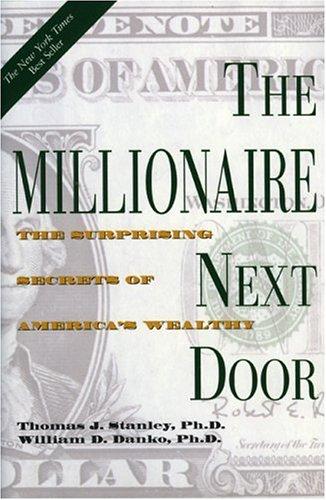
One of the most important habits for small business owners is the clear separation of business and personal finances. The Millionaire Next Door by Stanley and Danko is useful here — its data on how genuinely wealthy small business owners actually manage their finances is a useful corrective to the lifestyle-inflation patterns that destroy otherwise profitable businesses.
The book's data on consumption patterns among millionaires — older cars, modest homes, very low discretionary spending as a percentage of income — is particularly relevant for business owners whose income is irregular and whose wealth is tied up in an illiquid asset.
Add the tax framework
Taxation, Wealth and Saving addresses the structural relationship between tax policy and wealth accumulation at the institutional level — understanding this context helps business owners make better decisions about entity structure and compensation. Pair it with Kohler and Sorensen's more practical guide for a complete picture.
Build toward an exit mindset
Entrepreneurship Strategy gives business owners the framework for thinking about their business as an asset that will eventually be sold, transferred, or wound down. Most small business owners undervalue the exit planning dimension of their financial picture. Reading this earlier rather than later changes how operators structure their compensation, their equity, and their reinvestment decisions.
The missing piece: personal resilience
Clark Howard's Living Large for the Long Haul rounds out the reading list by addressing the personal financial habits that business owners often neglect: emergency funds, personal insurance, and the retirement savings that don't get funded when the business absorbs all available capital. Howard's consumer-advocate angle is useful counterbalance to the business-growth orientation of the other books on this list.
What this reading order produces
After working through this sequence, a small business owner has a framework for the most important financial decisions they face: cash vs. profit distinction, entity structure and tax strategy, separation of business and personal wealth, exit planning fundamentals, and personal financial resilience. None of these require an MBA — they require the right books read in the right sequence.
Common questions.
Should I read general personal finance books before business-specific ones?
It depends on your situation. If you've never had a financial system and your personal finances are disorganized, spend a month on personal finance basics first. If your personal finances are functional, go straight to the business-specific books — they cover the territory that general books skip.
When should a small business owner start thinking about investing?
After the business generates consistent positive cash flow and the owner has at least 3-6 months of personal expenses in liquid savings. Investing capital that the business might need is a common early-stage mistake.
Is Rich Dad Poor Dad relevant for small business owners?
It's useful for reframing the asset vs. liability distinction, but it omits most of the operational and tax detail that small business owners actually need. It works as an appetizer, not a main course.