

Earn, spend, save

Curated by Brian Kim, CPA — every pick gets a plain-English summary and the key takeaways.
Brian Kim, CPA · 2.89M YouTube Subscribers →What this book actually teaches
- 01The book's Canadian-specific framing — RRSPs, TFSAs, RESPs, CPP, OAS — is its most distinctive contribution; readers in other jurisdictions will find the conceptual framework useful but the account-specific guidance inapplicable.
- 02Women face structurally distinct financial challenges (wage gap, caregiving interruptions, longer lifespans requiring larger retirement savings) that the book addresses as facts to plan around rather than grievances to process.
- 03The RRSP spousal contribution strategy and the TFSA mechanics are explained more clearly than in most Canadian personal finance books, with the contribution room and Home Buyers' Plan interaction covered in actionable detail.
- 04DSC (deferred sales charge) mutual funds that the book addresses critically were phased out in Canada effective June 2022 — an important update for readers encountering those sections.
- 05The 2012 CPP and OAS rules have been modified by the CPP Enhancement; verify current benefit calculations and contribution rates against Service Canada resources rather than the book's specifics.
What's in this book
Earn, Spend, Save: The Savvy Guide to Financial Independence for Canadian Women (2012) by Kira Vermond is a personal finance guide written specifically for Canadian women at various life stages, covering the foundational mechanics of money management — budgeting, banking, debt, investing, and retirement — within the Canadian financial and regulatory context. Vermond is a journalist rather than a financial planner, and the book reflects a journalistic sensibility: it includes interviews with financial experts, real women's stories, and a tone that acknowledges the emotional and social dimensions of money without centering them at the expense of practical content.
The book's organizing premise is that women face structurally distinct financial challenges — the gender wage gap, career interruptions for caregiving, longer average lifespans that require larger retirement savings, and a documented pattern of receiving lower-quality financial advice than male clients — and that a guide written with these realities in the foreground produces more useful guidance than a gender-neutral personal finance book. Vermond doesn't frame this as victimhood but as information: here is the landscape as it actually exists, and here is how to navigate it effectively.
The budgeting and debt chapters cover the basics competently without being condescending. Vermond explains the mechanics of Canadian banking accounts, credit cards, and credit scores (Equifax and TransUnion are both addressed, with the Canadian-specific nuances that differ from U.S. reporting) and walks through the debt repayment priority logic — high-interest consumer debt before lower-cost debt, with the caveat that the psychological relief of eliminating small balances has legitimate value even if it isn't the mathematically optimal sequence.
The investing chapters are organized around Canadian-specific vehicles: RRSPs (Registered Retirement Savings Plans), TFSAs (Tax-Free Savings Accounts), RESPs (Registered Education Savings Plans), and the CPP (Canada Pension Plan) and OAS (Old Age Security) system. These chapters are among the book's most useful for the Canadian reader — they cover the contribution room mechanics, the spousal RRSP strategy, the Home Buyers' Plan, and the TFSA contribution limit tracking in enough detail to be actionable. Non-Canadian readers will find these chapters largely inapplicable, but they represent exactly the kind of jurisdiction-specific guidance that generic personal finance books skip.
The advisor selection chapter addresses the Canadian advisor landscape honestly: the fee-based versus commission-based distinction, the specific designations (CFP, CFA, the now-phased-out CFP equivalent structures) and what they indicate, and the conflict-of-interest structures embedded in DSC (deferred sales charge) mutual funds that were still prevalent in 2012. DSC funds were subsequently phased out in Canada (effective June 2022), which is worth noting for readers encountering this section.
Weaknesses
the 2012 publication date is meaningful for specific product and regulatory guidance. DSC mutual fund rules have changed, TFSA contribution limits have been adjusted multiple times, and the CPP has undergone enhancement since the book was published. The sections on banking products and fee structures also reflect a 2012 competitive landscape. Readers should treat the conceptual framework as durable and verify specific account rules, contribution limits, and product availability against current CRA and financial institution sources.
Verdict
a solid, Canada-specific personal finance foundation for women who want guidance calibrated to their actual regulatory environment and structural financial challenges. Verify jurisdiction-specific rules against current sources before acting on any specific account or contribution guidance.
Read next

For anyone whose financial education was "get a good job and save" — the book is most valuable for first-time readers…
Buy on Amazon →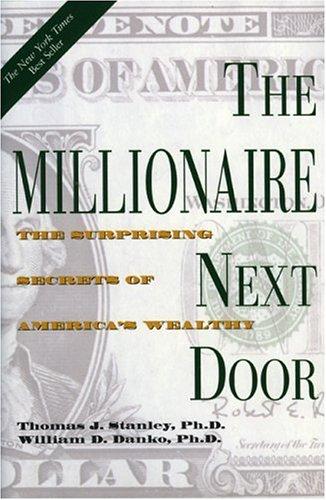
For anyone who confuses high income with wealth, or who feels behind because their lifestyle doesn't look like the we…
Buy on Amazon →
Anyone who earns enough to make discretionary spending choices but suspects their spending is not generating proporti…
Buy on Amazon →
Households in active consumer-debt distress who need a non-negotiable shared script. Not for investors already past B…
Buy on Amazon →About Kira Vermond
Read more from Kira Vermond and explore the full bibliography on ClearValue Books.
View Kira Vermond's page →Get an email if our take on Earn, spend, save changes.
We re-review our picks. We'll email you if Earn, spend, save's ranking or review changes — no checking back.
Across the site
Featured in lists

Ready to read Earn, spend, save?
Buy the edition we recommend on Amazon.
Buy on Amazon →