

Expecting Money

Curated by Brian Kim, CPA — every pick gets a plain-English summary and the key takeaways.
Brian Kim, CPA · 2.89M YouTube Subscribers →What this book actually teaches
- 01The book is organized chronologically: pre-birth finances, hospital and insurance mechanics, then the post-birth decisions (childcare, college savings, estate basics).
- 02Health insurance mechanics — deductibles, out-of-pocket maximums, in-network delivery costs — receive unusually specific treatment for a personal finance trade book.
- 03The dependent care FSA and child and dependent care tax credit are covered in practical combination, not in isolation.
- 04Guardianship designations and beneficiary updates are framed as decisions new parents routinely defer at serious cost — the estate chapter is brief but well-positioned.
- 05The 2008 publication date means virtually every specific threshold, FSA limit, and tax credit figure needs to be verified against current rules before acting.
What's in this book
Erica Sandberg's argument is that having a child is the most consequential financial event in most people's lives, and that most couples approach it with far less financial preparation than they bring to buying a car. Expecting Money: The Essential Financial Plan for New and Growing Families walks through the financial decisions that cluster around parenthood — before the birth, immediately after, and through the early years — and provides a structured framework for making them deliberately rather than reactively.
The book is organized chronologically and by decision type. The pre-birth section covers the finances of pregnancy itself: health insurance mechanics (deductibles, out-of-pocket maximums, in-network provider verification, what a typical delivery actually costs), disability insurance as income replacement during maternity leave, the employer benefits review that most new parents do too late, and the budget reconstruction that the shift from two incomes to one (or one-and-a-half) requires. Sandberg is specific about hospital billing and insurance negotiation in ways that many personal finance writers avoid, presumably because the specifics are unglamorous.
The post-birth section covers childcare cost structures (the full-time daycare versus nanny versus family-member math, including the dependent care FSA and the child and dependent care tax credit), the college savings decision (529 plans, Coverdell accounts, the UGMA/UTMA trade-offs on financial aid), and life insurance sizing for a household that now has a dependent. The estate planning chapter on wills, guardianship designations, and beneficiary updates is short but well-placed — these are decisions new parents chronically defer.
Sandberg writes for a general audience, not for high-income households. The income scenarios and budget numbers reflect middle-income reality, which is appropriate given how many parenting-finance books assume a household income that most readers don't have.
The weaknesses are structural rather than substantive. The 2008 publication date means the specific benefit thresholds, FSA limits, tax credit amounts, and 529 contribution rules cited throughout are outdated — in some cases substantially. The health insurance section in particular reflects a pre-ACA landscape that has changed significantly. The investment guidance in the college savings and retirement-alongside-college-savings sections is basic and has not kept pace with the shift to low-cost index funds as the default recommendation. A reader in 2024 will need to verify current numbers before acting on virtually any specific figure in the book.
Worth reading as a framework for what financial decisions to confront and in what order when a family is growing. Verify every specific threshold, limit, and cost figure against current sources before acting. The organizational structure remains sound even where the specific data has aged.
Read next

For anyone whose financial education was "get a good job and save" — the book is most valuable for first-time readers…
Buy on Amazon →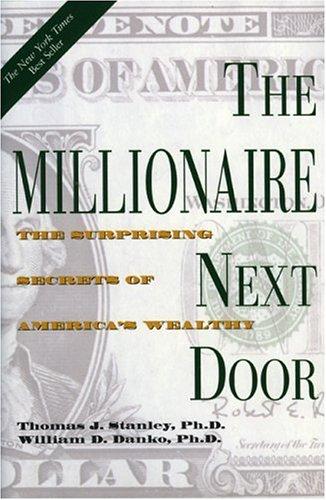
For anyone who confuses high income with wealth, or who feels behind because their lifestyle doesn't look like the we…
Buy on Amazon →
Anyone who earns enough to make discretionary spending choices but suspects their spending is not generating proporti…
Buy on Amazon →
Households in active consumer-debt distress who need a non-negotiable shared script. Not for investors already past B…
Buy on Amazon →About Erica Sandberg
Read more from Erica Sandberg and explore the full bibliography on ClearValue Books.
View Erica Sandberg's page →Get an email if our take on Expecting Money changes.
We re-review our picks. We'll email you if Expecting Money's ranking or review changes — no checking back.
