

The money answer book

Curated by Brian Kim, CPA — every pick gets a plain-English summary and the key takeaways.
Brian Kim, CPA · 2.89M YouTube Subscribers →What this book actually teaches
- 01The Baby Steps framework — emergency fund, debt snowball, larger emergency fund, retirement, college, mortgage payoff, wealth building — organizes most of Ramsey's answers even when the question isn't directly about the steps.
- 02Whole life insurance is treated as an investment vehicle by salespeople but performs poorly against term insurance plus index fund investing — the case against it is made specifically, not just asserted.
- 03Raising deductibles on property and casualty insurance and investing the premium savings is a coherent strategy that the book explains rather than just recommends.
- 04The career negotiation material — raise requests, job offer evaluation, side income structuring — is the most differentiated content relative to Ramsey's other books.
- 05The Q&A format makes the book a useful reference for specific questions but limits depth on complex topics; it works best as a starting point rather than a definitive guide.
What's in this book
The Money Answer Book by Dave Ramsey is structured as a Q&A reference guide rather than a linear argument — it organizes Ramsey's financial philosophy around the specific questions his radio audience most frequently asks. The format reflects the source material: Ramsey has taken thousands of caller questions on The Ramsey Show over three decades, and this book distills the recurring questions into short, direct, actionable answers.
The book's underlying thesis is the same one Ramsey builds all his content around: debt is the primary obstacle to financial peace, and the sequence matters as much as the individual decisions. The Baby Steps framework — emergency fund first, then debt snowball, then three-to-six month emergency fund, then retirement, then college funding, then house payoff, then wealth building — appears here in condensed form as the organizing skeleton behind most of the answers, even when the question isn't directly about the Baby Steps.
The Q&A format produces a book that is better used as a reference than read cover to cover. The sections covering specific debt types — car loans, credit cards, medical debt, student loans — are the most frequently consulted. Ramsey's answers are characteristically blunt: don't take out student loans for a degree that doesn't produce earnings to service them, don't lease a car under any circumstances, don't carry a balance on a credit card to earn rewards points. The answers do not hedge and do not offer conditional frameworks — they state a position and explain the logic in two or three paragraphs.
The insurance section is more nuanced than most personal finance books manage. Ramsey covers term versus whole life in detail, makes a specific case against whole life insurance as an investment vehicle, addresses disability insurance as underrated and undersold relative to life insurance, and provides general guidance on deductible selection that reflects a coherent philosophy (raise deductibles, invest the premium savings) rather than just reciting standard advice.
The investing chapters are simple but accurate: index funds, diversified across growth and growth-and-income mutual fund categories, held for the long term, with automatic contributions through tax-advantaged accounts. Ramsey does not cover individual stock selection, options, real estate investing beyond a primary residence, or alternative assets. The narrowness is intentional — the book's audience is people who need to stop losing money before they can start making it.
The career and income section includes practical negotiation guidance — how to ask for a raise, how to evaluate a job offer beyond base salary, how to build a side income without quitting a primary job — that is less common in Ramsey's other books and represents the most distinctive material in the guide.
Who this is for: readers who are already familiar with the Ramsey framework and want a reference for specific questions, and newcomers who want a quick-entry overview of Ramsey's positions on the most common financial decisions without committing to The Total Money Makeover in full. Strong gift book for young adults entering their first full-time job.
Weaknesses
the Q&A format means depth is consistently sacrificed for accessibility — complex topics like tax-advantaged account sequencing, insurance adequacy calculation, or real estate versus investing tradeoffs get two paragraphs where they warrant twenty pages. The 2010 edition does not cover the post-2010 changes to student loan policy, the Roth conversion ladder, or the tax treatment changes that affect the Baby Steps sequencing. Ramsey's absolute position against all debt — including zero-interest financing and low-rate mortgages that historically would have been outperformed by investing the equivalent amount — is presented as settled rather than contextual.
Verdict
a useful, fast-reading reference for the most common personal finance decisions, most valuable as a starting point or a quick consultation rather than a comprehensive guide to any specific topic.
Read next

For anyone whose financial education was "get a good job and save" — the book is most valuable for first-time readers…
Buy on Amazon →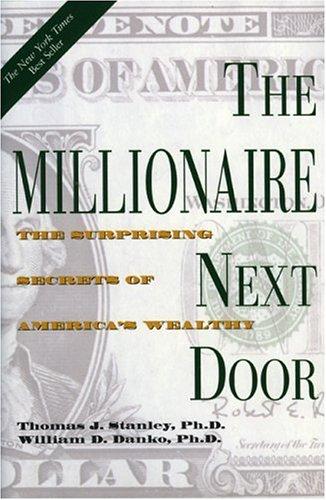
For anyone who confuses high income with wealth, or who feels behind because their lifestyle doesn't look like the we…
Buy on Amazon →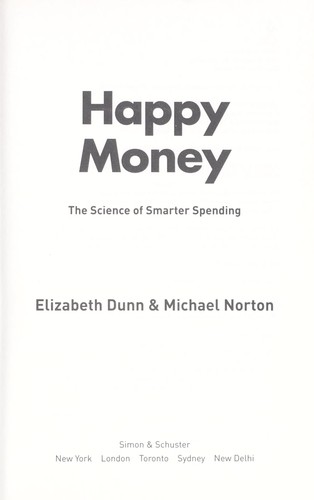
Anyone who earns enough to make discretionary spending choices but suspects their spending is not generating proporti…
Buy on Amazon →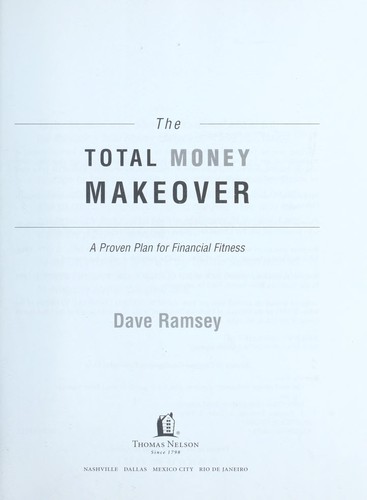
Households in active consumer-debt distress who need a non-negotiable shared script. Not for investors already past B…
Buy on Amazon →About Dave Ramsey
Read more from Dave Ramsey and explore the full bibliography on ClearValue Books.
View Dave Ramsey's page →Get an email if our take on The money answer book changes.
We re-review our picks. We'll email you if The money answer book's ranking or review changes — no checking back.

Ready to read The money answer book?
Buy the edition we recommend on Amazon.
Buy on Amazon →