

Wealth can't wait

Curated by Brian Kim, CPA — every pick gets a plain-English summary and the key takeaways.
Brian Kim, CPA · 2.89M YouTube Subscribers →What this book actually teaches
- 01The book argues that conventional slow-accumulation financial planning is appropriate only for those willing to accept a lower ceiling, and that real estate investing and business ownership offer faster paths to financial independence for those willing to pursue them actively.
- 02The real estate content covers the practical basics — the 1% rule, cap rate, cash flow versus appreciation, rental market selection criteria — with Osborn's specific experience as a franchise owner and investor providing some grounding beyond generic advice.
- 03Leverage as a wealth accelerator is presented accurately: controlling $500,000 in property with $100,000 in equity amplifies returns in ways all-cash investing does not — but the downside symmetry of leverage in corrections receives less emphasis than the upside.
- 04The mindset and personal development content in the early chapters is generic material drawn from the personal development tradition and adds little for readers already familiar with that genre.
- 05The 2017 publication during a prolonged real estate appreciation cycle means the risk dimension — vacancy, maintenance costs, leverage losses in corrections — is underweighted relative to the opportunity framing.
What's in this book
Wealth Can't Wait (2017) by David Osborn and Paul Morris is a real estate and personal finance book aimed at people who are frustrated with the slow-accumulation model of traditional financial planning and want a more aggressive, entrepreneurially-oriented path to financial independence. Osborn, a Keller Williams real estate franchise owner and investor, and Morris, a wealth coach, argue that the conventional advice to max retirement accounts, invest in diversified index funds, and wait decades for compound interest to do its work is appropriate only for people willing to accept a lower ceiling. For those who want to reach financial independence faster, active wealth creation — primarily through real estate investing, business ownership, and entrepreneurial income — offers a different path.
The book's structure follows a personal development and mindset framework before getting to specific strategies. The early chapters cover the psychology of wealth — fixed versus growth mindset applied to financial decisions, the beliefs that keep people in scarcity rather than abundance, and the importance of building a social environment that normalizes wealth creation rather than treating it as a marker of greed or luck. This section borrows heavily from the personal development tradition (Napoleon Hill, Tony Robbins, the Law of Attraction adjacent framing) without significant original contribution.
The real estate content is where Osborn's specific experience generates more useful material. The book covers the basics of rental property analysis — the 1% rule for quick cash flow screening, cap rate calculation, the distinction between cash flow and appreciation as wealth-building mechanisms — and the fundamentals of building a rental portfolio over time. The discussion of leverage as a wealth accelerator in real estate is accurate: the ability to control $500,000 in property with $100,000 in equity amplifies returns (and losses) in ways that all-cash or stock investing does not. The framework for evaluating rental markets — job growth, population trends, landlord-friendly legal environment — provides a starting point for market selection.
The business ownership and entrepreneurial income chapters are less specific. The argument that building a business or buying into one is a faster path to wealth than employment income is sound at the level of a general observation but doesn't offer a systematic framework for how to do it — the specific advice is closer to a motivational orientation than a practical how-to.
The weaknesses are significant. The mindset content is generic personal development material that adds little to what is available in dozens of similar books. The real estate framework, while accurate at a conceptual level, underweights risk: leverage amplifies losses as well as gains, rental properties have vacancy, maintenance, and tenant management costs that don't appear in the headline return calculations, and real estate market cycles have produced large losses for highly leveraged investors. The 2017 publication date means the book was written during a multi-year real estate appreciation cycle without the sobering context of what leverage does in a correction.
For readers who are already entrepreneurially oriented and want a motivational push toward real estate investing and business ownership as wealth-building vehicles, this book provides encouragement and a basic conceptual framework. Those seeking rigorous investment analysis should supplement with more technically grounded real estate texts.
Read next

For anyone whose financial education was "get a good job and save" — the book is most valuable for first-time readers…
Buy on Amazon →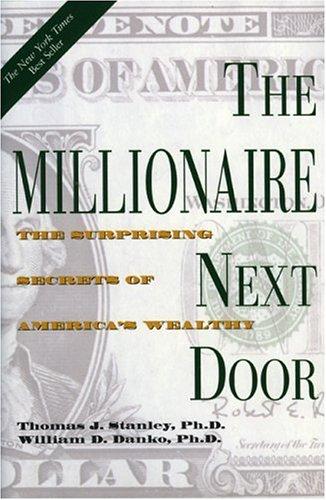
For anyone who confuses high income with wealth, or who feels behind because their lifestyle doesn't look like the we…
Buy on Amazon →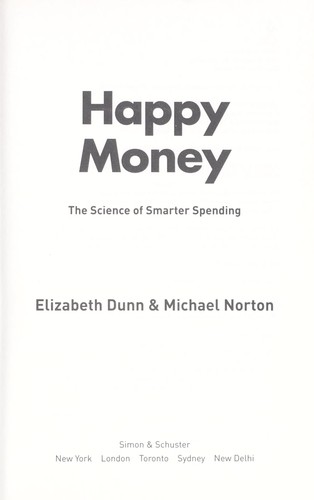
Anyone who earns enough to make discretionary spending choices but suspects their spending is not generating proporti…
Buy on Amazon →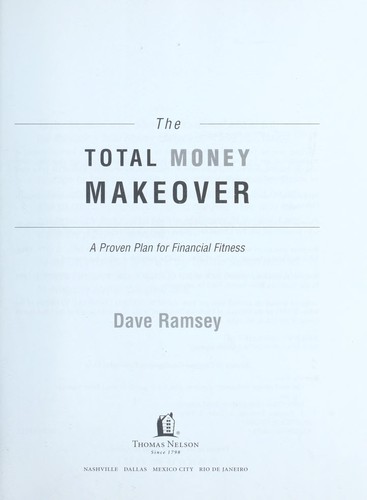
Households in active consumer-debt distress who need a non-negotiable shared script. Not for investors already past B…
Buy on Amazon →About David Osborn
Read more from David Osborn and explore the full bibliography on ClearValue Books.
View David Osborn's page →Get an email if our take on Wealth can't wait changes.
We re-review our picks. We'll email you if Wealth can't wait's ranking or review changes — no checking back.
Across the site
Featured in lists

Ready to read Wealth can't wait?
Buy the edition we recommend on Amazon.
Buy on Amazon →