
Debt Free for Life

Curated by Brian Kim, CPA — every pick gets a plain-English summary and the key takeaways.
Brian Kim, CPA · 2.89M YouTube Subscribers →What this book actually teaches
- 01The DOLP system ranks debts by dividing balance by minimum payment — a heuristic that splits the difference between Snowball psychology and Avalanche math.
- 02Automating every debt payment eliminates the monthly willpower requirement — the setup decision replaces ongoing decisions.
- 03Creditor negotiation for rate reductions and fee waivers is more scripted and specific than most advice suggests — Bach provides actual language.
- 04Debt collectors are governed by the FDCPA; knowing your rights changes the leverage in those conversations.
- 05Mortgage-specific advice reflects 2010 conditions (HARP, loan modification programs) that have since changed — treat that section as a framework, not a current guide.
What's in this book
David Bach's Debt Free for Life argues that most people remain in debt not because they lack income but because they lack a system — and that the right system, applied consistently, eliminates debt faster than most people believe is possible. Published in 2010 in the aftermath of the financial crisis, the book addresses a moment when millions of Americans were carrying more consumer and mortgage debt than they could service, and frames debt elimination as the highest-return financial move available to ordinary households.
Bach's central contribution is the DOLP system — an acronym for Dead On Last Payment — which functions as his version of a debt payoff sequencing tool. DOLP assigns each debt a score derived by dividing the outstanding balance by the minimum monthly payment, then ranking debts from lowest to highest DOLP number. The lowest DOLP score gets the most aggressive paydown first. The logic sits between the pure psychological appeal of the Debt Snowball (smallest balance first) and the mathematical optimality of the avalanche (highest interest first): it weights both balance size and payment proportion, which often surfaces high-interest revolving debts as the first target anyway.
The book also covers negotiating with creditors directly — calling card companies to request rate reductions, disputing fees, and understanding when settlement is an option versus when it triggers tax consequences. Bach is specific about the timing and language of these calls in ways that are more actionable than the typical "just call and ask" advice. The chapter on dealing with debt collectors covers FDCPA rights in accessible language without suggesting readers can use legal technicalities to escape legitimate obligations.
Automation is a recurring theme. Bach's broader financial framework (established in The Automatic Millionaire) carries through here: payments set on autopilot eliminate the willpower variable. Every debt payoff strategy in the book is designed to run without requiring a decision each month — the initial setup does the work.
The book addresses mortgages specifically in the post-2008 context: loan modifications, HARP-era refinancing options, and the strategic default question. Some of this is dated by subsequent policy changes, but the underlying analysis — when does it make financial sense to walk away versus restructure — remains analytically sound even where the specific programs have expired.
This is for people carrying multiple consumer debts who want a sequencing framework and negotiation tactics, not motivation.
The weaknesses are practical. The DOLP system is a reasonable heuristic but not a uniquely superior one — a reader who uses a straight avalanche method or the Ramsey Snowball will reach debt freedom at a similar pace. The distinction matters less than the consistency of execution. The 2010 publication date means the mortgage-specific advice reflects programs and market conditions that no longer exist in the same form. Bach's broader optimism about creditor negotiations — that calling your credit card company will reliably produce a rate reduction — has become harder to execute as banks' automated hardship programs have replaced the discretionary customer service reps he describes.
For a clear, system-oriented approach to eliminating consumer debt with specific negotiation tactics included, Debt Free for Life delivers what it promises.
Read next

For anyone whose financial education was "get a good job and save" — the book is most valuable for first-time readers…
Buy on Amazon →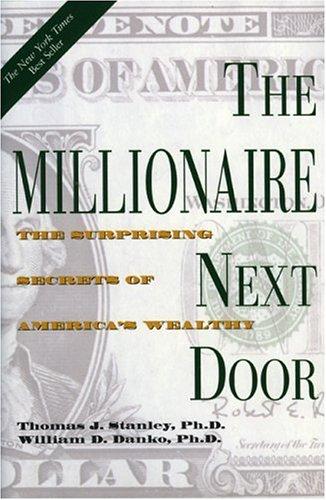
For anyone who confuses high income with wealth, or who feels behind because their lifestyle doesn't look like the we…
Buy on Amazon →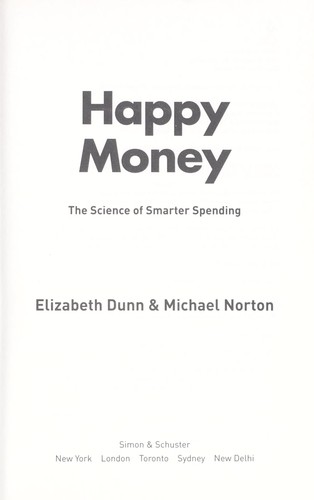
Anyone who earns enough to make discretionary spending choices but suspects their spending is not generating proporti…
Buy on Amazon →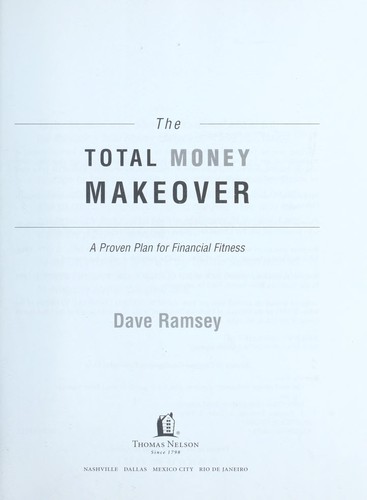
Households in active consumer-debt distress who need a non-negotiable shared script. Not for investors already past B…
Buy on Amazon →How Debt Free for Life stacks up
About David Bach
Read more from David Bach and explore the full bibliography on ClearValue Books.
View David Bach's page →Get an email if our take on Debt Free for Life changes.
We re-review our picks. We'll email you if Debt Free for Life's ranking or review changes — no checking back.
Across the site
Featured in lists
Compared with
Recommended in answers

Ready to read Debt Free for Life?
Buy the edition we recommend on Amazon.
Buy on Amazon →