

Frugal isn't cheap

Curated by Brian Kim, CPA — every pick gets a plain-English summary and the key takeaways.
Brian Kim, CPA · 2.89M YouTube Subscribers →What this book actually teaches
- 01Frugality is intentional spending aligned with values — it is not the same as cheapness, which is simply refusing to spend.
- 02A 20% savings target is the book's central anchor, achieved through cumulative small choices rather than dramatic lifestyle sacrifice.
- 03Credit cards are tools, not enemies — used correctly (paid monthly, rewards harvested), they benefit rather than harm a frugal household.
- 04The book stops at spending and saving; readers who want investment strategy or a path to financial independence will need additional resources.
- 05Reviewers have flagged inaccurate net worth guidance — readers should verify any specific valuation formulas against a second source.
What's in this book
Clare Levison's "Frugal Isn't Cheap" opens with a distinction that its audience genuinely needs: frugality and cheapness are not the same thing. Frugal people make deliberate choices about where to spend and where to cut; cheap people simply refuse to spend. The book's argument is that financial stability is achievable through intentional, values-aligned spending — not through deprivation, not through extreme couponing, and not through the kind of lifestyle sacrifice that makes personal finance feel like punishment.
Levison, a CPA and AICPA national financial literacy spokesperson, structures the book around practical behavior change rather than investment theory. The core anchor is a 20% savings target — ambitious compared to typical advice but framed as achievable through the cumulative effect of deliberate small choices. She systematically walks through spending categories: housing, transportation, food, entertainment, and kids, showing where the real money goes and where substitutions don't require meaningful sacrifice.
A notable counterpoint in the book is her treatment of credit cards. Rather than the "cut them up" advice common in personal finance, Levison argues credit cards are not inherently dangerous — the problem is misuse, not the product itself. Used correctly (paid in full monthly, rewards harvested), they are a tool, not a trap. This is a more sophisticated position than much of the popular frugality genre and reflects her CPA background.
The book's audience is clear: personal finance beginners, particularly working families who find extreme-frugality content impractical or off-putting. Levison's tone is approachable and non-judgmental, and she is careful not to position frugality as a moral virtue — just a practical one.
The weaknesses are real. Reviewers have flagged inaccurate net worth valuation guidance, which is a problem in a book meant for readers who may not have the background to catch the error. The content thins out quickly for anyone who already understands the basics — there is not much here for intermediate or advanced readers. And while Levison's CPA credential is relevant for tax considerations, the book stops well short of investment strategy, which means readers who want a complete financial picture will need to supplement heavily. The foreword by Sharon Lechter (Rich Dad Poor Dad co-author) is a promotional signal, not an editorial one.
For readers at the start of their financial literacy journey, "Frugal Isn't Cheap" is a serviceable, accessible entry point. It will not take anyone to financial independence on its own, but it reframes the starting question in a useful way.
Read next

For anyone whose financial education was "get a good job and save" — the book is most valuable for first-time readers…
Buy on Amazon →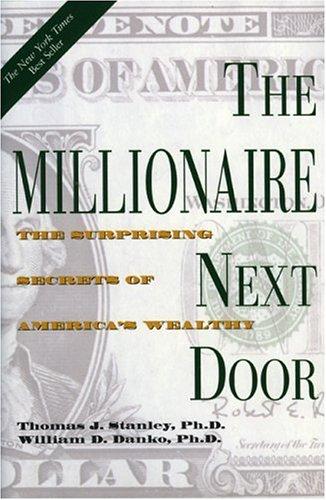
For anyone who confuses high income with wealth, or who feels behind because their lifestyle doesn't look like the we…
Buy on Amazon →
Anyone who earns enough to make discretionary spending choices but suspects their spending is not generating proporti…
Buy on Amazon →
Households in active consumer-debt distress who need a non-negotiable shared script. Not for investors already past B…
Buy on Amazon →About Clare K Levison
Read more from Clare K Levison and explore the full bibliography on ClearValue Books.
View Clare K Levison's page →Get an email if our take on Frugal isn't cheap changes.
We re-review our picks. We'll email you if Frugal isn't cheap's ranking or review changes — no checking back.
Across the site
Featured in lists

Ready to read Frugal isn't cheap?
Buy the edition we recommend on Amazon.
Buy on Amazon →