

Living well, spending less

Curated by Brian Kim, CPA — every pick gets a plain-English summary and the key takeaways.
Brian Kim, CPA · 2.89M YouTube Subscribers →What this book actually teaches
- 01Overspending is often a values-alignment problem rather than a math problem — Soukup argues that defining 'enough' is the foundational step before any budget works.
- 02Social spending pressure (keeping up with others, gift obligations, entertaining standards) is addressed with more practical specificity than most personal finance books provide.
- 03The twelve-secret structure gives households concrete behavioral changes rather than abstract principles, with personal failure stories that make the advice credible.
- 04The book stays at the behavioral/mindset level and does not address investing, debt payoff strategy, or wealth building — it's a starting point, not a complete financial plan.
- 05Faith-based framing is present throughout; readers who find that useful will connect more easily with the material than those who prefer secular personal finance frameworks.
What's in this book
Ruth Soukup's book is built around a single honest admission: she and her husband spent themselves into significant debt chasing a lifestyle that looked good from the outside but left them financially and emotionally drained. The argument that follows is that intentional living — making deliberate choices about what you value rather than defaulting to consumption as a measure of success — is both the path to financial stability and, in her framing, to genuine happiness. The book sits at the intersection of personal finance, lifestyle design, and faith-based reflection.
Soukup organizes the content around twelve practical secrets, each a specific behavior or mindset shift she used to turn her household finances around. These include stopping trying to keep up with others, embracing the concept of enough, learning to hunt for deals without becoming obsessive, and saying no to commitments that drain time and money without returning value. The book mixes personal narrative with actionable advice, and the personal stories are its strongest feature — Soukup is specific about her own failures in ways that make the advice feel credible rather than aspirational.
The book also addresses the social dimension of spending — peer pressure, gift-giving obligations, entertaining standards — with more nuance than most personal finance books bother with. The chapter on hosting well without overspending is practically useful. Her treatment of meal planning and grocery budgeting is detailed enough to act on directly.
The weaknesses are real. The faith-based framing is present throughout and will resonate with some readers and feel like a detour to others — it's not a dealbreaker, but it's worth knowing upfront. The financial advice stays at the behavioral level and doesn't engage with investing, debt payoff strategy, or building wealth beyond the initial spending reduction. Anyone looking for a next step after cutting expenses will need a different book. The tone occasionally drifts toward self-help uplift in ways that reduce specificity.
For households overspending relative to income who haven't yet addressed the behavioral and social roots of that pattern, this book is more useful than a budgeting spreadsheet. It treats spending as a symptom of values misalignment, not a math problem, and that framing helps readers who haven't responded to pure numbers-based approaches.
Read next

For anyone whose financial education was "get a good job and save" — the book is most valuable for first-time readers…
Buy on Amazon →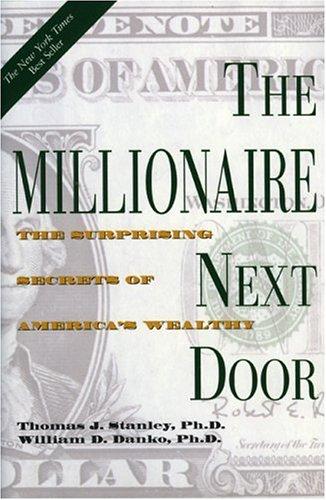
For anyone who confuses high income with wealth, or who feels behind because their lifestyle doesn't look like the we…
Buy on Amazon →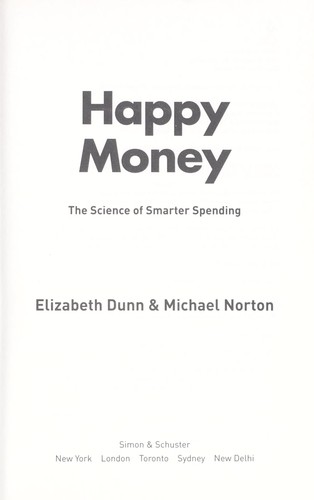
Anyone who earns enough to make discretionary spending choices but suspects their spending is not generating proporti…
Buy on Amazon →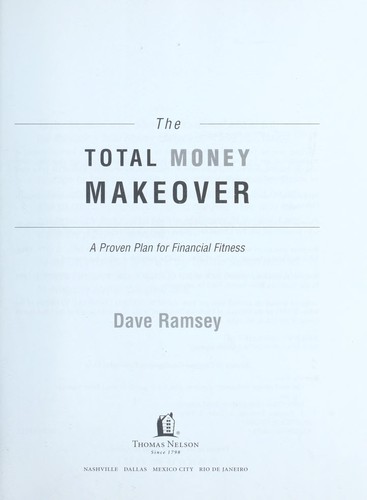
Households in active consumer-debt distress who need a non-negotiable shared script. Not for investors already past B…
Buy on Amazon →About Ruth Soukup
Read more from Ruth Soukup and explore the full bibliography on ClearValue Books.
View Ruth Soukup's page →Get an email if our take on Living well, spending less changes.
We re-review our picks. We'll email you if Living well, spending less's ranking or review changes — no checking back.
Across the site
Featured in lists

Ready to read Living well, spending less?
Buy the edition we recommend on Amazon.
Buy on Amazon →