

Spend Smarter, Save Bigger

Curated by Brian Kim, CPA — every pick gets a plain-English summary and the key takeaways.
Brian Kim, CPA · 2.89M YouTube Subscribers →What this book actually teaches
- 01Overspending is framed as a systems problem, not a willpower problem — the book's approach is building repeatable decision frameworks across specific spending categories rather than demanding lifestyle overhauls.
- 02The category-by-category organization (groceries, insurance, utilities, subscriptions, major purchases) makes the book a practical reference for auditing specific household spending areas.
- 03Behavioral economics concepts — pricing anchors, retail design, subscription fatigue — are translated into actionable countermeasures for the everyday purchasing decisions where they matter most.
- 04Specific pricing benchmarks, product comparisons, and platform recommendations age quickly and should be verified against current market conditions rather than taken as definitive.
- 05The tactical focus means the book contributes less to the strategic picture of how spending relates to savings rate and long-term financial security — pair with a more comprehensive personal finance guide.
What's in this book
Margot Bai's central argument is that household spending is not primarily a willpower problem but a systems problem — most people overspend not because they lack discipline but because they have never built the decision frameworks and shopping habits that make spending less automatic. The book's premise is that small, repeatable behavioral adjustments across the categories where households actually spend most of their money (groceries, insurance, utilities, subscriptions, major purchases) produce larger total savings than dramatic lifestyle changes that don't stick.
The book is organized by spending category rather than by budgeting philosophy. Bai walks through groceries, clothing, travel, housing costs, financial products, and recurring services with specific tactics for each: how to use unit pricing, when to buy store brands versus name brands, how to negotiate insurance premiums, how to evaluate whether a subscription is earning its monthly fee, and how to time major purchases around sale cycles. The granularity is the book's primary value proposition — it is less interested in abstract financial principles than in the mechanics of individual purchasing decisions.
Bai's approach is notably practical about the psychology of consumer spending. She engages with the behavioral economics of retail design — why stores are laid out the way they are, how pricing anchors distort perceived value, how subscription fatigue causes people to keep paying for things they no longer use — and translates these dynamics into actionable countermeasures. This grounding in how spending decisions actually get made in practice distinguishes the book from generic budgeting advice.
The weaknesses are proportional to the book's strengths. A category-by-category spending guide ages quickly: specific product recommendations, pricing benchmarks, and platform comparisons that were accurate at publication date may no longer reflect current market conditions. The tactical orientation also means the book contributes less to understanding the strategic picture — how total household spending relates to savings rate, investment capacity, and long-term financial security — than a more integrated personal finance guide would. Readers who already employ systematic comparison shopping and subscription audits will find less new material here.
For households that feel their money is disappearing without clear explanation — where income is adequate but savings are thin and spending feels reactive — the category-by-category audit framework provides a structured way to find and close the leaks. Best read as a tactical companion to a more comprehensive personal finance guide rather than as a standalone financial education.
Read next

For anyone whose financial education was "get a good job and save" — the book is most valuable for first-time readers…
Buy on Amazon →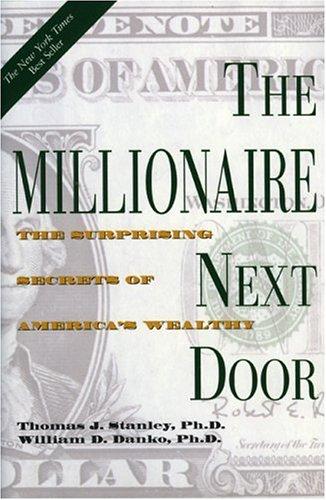
For anyone who confuses high income with wealth, or who feels behind because their lifestyle doesn't look like the we…
Buy on Amazon →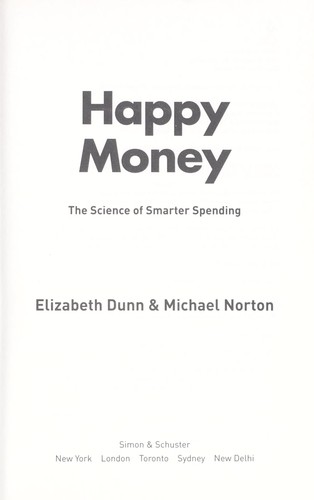
Anyone who earns enough to make discretionary spending choices but suspects their spending is not generating proporti…
Buy on Amazon →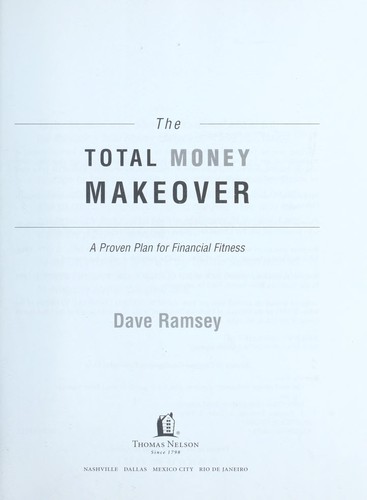
Households in active consumer-debt distress who need a non-negotiable shared script. Not for investors already past B…
Buy on Amazon →About Margot Bai
Read more from Margot Bai and explore the full bibliography on ClearValue Books.
View Margot Bai's page →Get an email if our take on Spend Smarter, Save Bigger changes.
We re-review our picks. We'll email you if Spend Smarter, Save Bigger's ranking or review changes — no checking back.
Across the site
Featured in lists

Ready to read Spend Smarter, Save Bigger?
Buy the edition we recommend on Amazon.
Buy on Amazon →